




One claim can close a Maryland restaurant. Don't let that be yours.
Maryland is one of the few states with no dram shop statute — the Maryland Supreme Court has ruled three times (1951, 1981, 2013) that licensees aren't liable for patron actions after leaving. But the Chesapeake Bay's funnel geometry pushed six to eight feet of storm surge into Annapolis during Hurricane Isabel, and the state's self-insured workers comp fund has returned over $12 million in dividends to member restaurants since 1993.
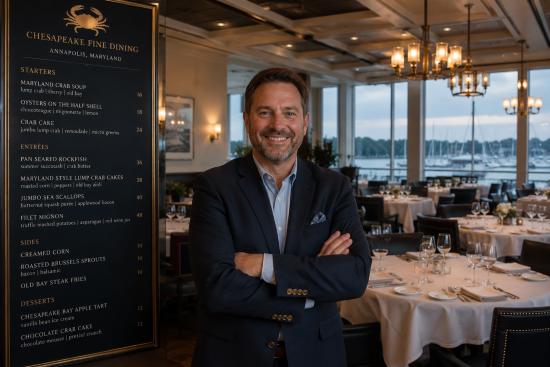
What does your Maryland restaurant actually need protection against?
Answer a few questions and we'll show you which coverage lines typically matter most for your Maryland operation — no quote form required to see it.
Coverage Finder
Select every option that applies to your business
Coverage lines that address Maryland's specific exposures
Maryland's no-dram-shop legal environment, Chesapeake Bay geography, and labor law framework create a specific set of exposures standard commercial policies aren't built to handle — the coverage lines below address each one directly.
General Liability Insurance
Covers bodily injury and property damage claims — slip-and-falls, customer injuries, and foodborne illness allegations. Maryland operators should carry a minimum of $1 million per occurrence with a $2 million aggregate.
Commercial Property Insurance
Covers your building, equipment, and inventory against fire, theft, and windstorm. Wind damage from hurricanes and nor'easters is covered, but storm surge is excluded entirely — a critical distinction for Inner Harbor, Annapolis, and Eastern Shore operators.
Workers' Compensation Insurance
Maryland requires coverage for any employer with one or more employees. Restaurant operators have access to the Maryland Restaurant and Hospitality Self-Insurance Fund (MRHSIF), which has returned over $12 million in dividends to member restaurants since 1993.
Liquor Liability Insurance
Maryland's Supreme Court has ruled three times that licensees aren't liable for patron actions after leaving. Coverage remains important for on-premises incidents and service to minors — but limits should reflect Maryland's actual legal exposure, not a high-dram-shop-state default.
Business Interruption Insurance
Maryland's Chesapeake Bay and Ocean City waterfront markets see significant seasonal concentration. A hurricane or nor'easter closure during peak summer season can eliminate the majority of a seasonal restaurant's annual revenue.
Employment Practices Liability Insurance
The Healthy Working Families Act requires employers with 15+ employees to provide paid sick and safe leave. EPLI is the appropriate financial protection layer for wage-and-hour claims arising from this framework.
Why Maryland's legal environment and Bay geography change what your policy needs to do
This isn't generic small-business risk — Maryland's specific case law and coastal geometry create exposures that only apply here.
Maryland's no-dram-shop environment is unusually consistent — and unusually rare
The Maryland Supreme Court has ruled three times (1951, 1981, 2013) that "human beings, drunk or sober, are responsible for their own torts," and bars aren't liable for patron actions after leaving. That's a meaningfully different exposure than neighboring Virginia or Washington DC, both of which impose dram shop liability — a distinction that matters for any Maryland operator doing multi-jurisdictional business.
The Chesapeake Bay's funnel geometry amplifies surge in a way few coastlines do
The Bay is shallow and narrows as it extends northward, functioning as a funnel that pushes storm surge directly into waterfront communities when a hurricane tracks west of the Bay's centerline. Hurricane Isabel pushed six to eight feet of surge into Annapolis in 2003 — and standard commercial property policies exclude that loss entirely.
What might Maryland restaurant coverage cost you?
A rough range based on your setup — not a quote, just a starting point before you talk to an agent.
How Maryland's storm surge risk actually plays out
A Chesapeake Bay storm surge event is a scenario waterfront Maryland operators face with documented historical precedent — here's how it typically unfolds.
A hurricane tracking west of the Bay pushes several feet of storm surge into your Annapolis or Inner Harbor restaurant.
- The surge damage: Storm surge floods the dining room and kitchen — a loss excluded from standard commercial property and only covered by separate NFIP or private flood insurance.
- The wind claim: Wind damage to the roof and signage is covered under the standard commercial property policy, running as a separate claim alongside the flood loss.
- The closure: Cleanup and repairs force a temporary closure during what may be peak summer tourist season — business interruption coverage replaces the lost revenue.
- The coordinated response: Flood, wind, and business interruption claims get handled together instead of falling into gaps between separately purchased policies.
This is exactly why Maryland's waterfront markets need flood coverage treated as non-negotiable, not optional, alongside standard commercial property.
Frequently asked questions
What insurance does a restaurant need in Maryland?
Maryland restaurants need general liability, commercial property, workers compensation, and liquor liability as a baseline. Waterfront restaurants in Baltimore, Annapolis, and the Eastern Shore need separate flood coverage for Chesapeake Bay storm surge. Restaurants with 15 or more employees must comply with the Maryland Healthy Working Families Act's paid sick leave requirements, making EPLI coverage a valuable addition.
Does Maryland have a dram shop law for restaurants?
Maryland has no dram shop statute. The Maryland Supreme Court has ruled three times — in 1951, 1981, and 2013 — that alcohol licensees are not liable for patron actions after leaving a licensed establishment. The court's consistent position is that individuals bear responsibility for their own actions. Liquor liability insurance remains important for on-premises incidents and service to minors, but Maryland operators are not exposed to the broad third-party dram shop liability that applies in neighboring states like Virginia.
Is workers compensation required for Maryland restaurants?
Yes. Maryland requires workers compensation for any employer with one or more employees. Maryland restaurant operators have exclusive access to the Maryland Restaurant and Hospitality Self-Insurance Fund (MRHSIF), a workers comp program owned by Restaurant Association of Maryland members that has paid over $12 million in dividends back to participants since 1993.
Do Maryland restaurants need flood insurance?
Waterfront restaurants in Baltimore, Annapolis, Cambridge, Crisfield, and Eastern Shore locations should carry NFIP or private flood coverage. Standard commercial property policies exclude flood damage. The Chesapeake Bay's funnel geometry amplifies hurricane surge northward — Hurricane Isabel pushed six to eight feet of water into Annapolis waterfront properties in 2003.
What is the Maryland Healthy Working Families Act?
The Maryland Healthy Working Families Act requires employers with 15 or more employees to provide paid sick and safe leave at one hour per 30 hours worked, up to 40 hours annually. Employers with 14 or fewer must provide unpaid leave. Tipped restaurant employees have specific provisions under the law. Non-compliance creates wage-and-hour liability exposure that EPLI covers.
How much does restaurant insurance cost in Maryland?
Maryland restaurant insurance costs depend on revenue, seating capacity, alcohol sales, location, flood zone status, and claims history. A small fast casual operation may pay $4,000 to $9,000 per year. A full-service Maryland waterfront restaurant with liquor service, Chesapeake Bay seafood menus, significant property values, and flood coverage will typically pay $15,000 to $35,000 or more depending on limits and loss history.
Maryland Cities We Serve
Neighborhood-specific restaurant insurance guidance for Maryland's largest restaurant markets, real local risk, not a statewide template.
Baltimore Restaurant Insurance
Neighborhood-level coverage guidance built specifically for Baltimore restaurant owners.
Annapolis Restaurant Insurance
Neighborhood-level coverage guidance built specifically for Annapolis restaurant owners.
Ocean City Restaurant Insurance
Neighborhood-level coverage guidance built specifically for Ocean City restaurant owners.
Frederick Restaurant Insurance
Neighborhood-level coverage guidance built specifically for Frederick restaurant owners.
Get your Maryland restaurant covered today.
Tell us about your restaurant and we'll find the right coverage at the right price — no pressure, no obligation.
Get Your Free Quote →