




Restaurant Insurance in Ocean City, Maryland
If you're an Ocean City restaurant owner searching for insurance that actually understands a real 1933 hurricane that carved the town's inlet, a genuine seasonal population swing into the hundreds of thousands, and neighborhoods from the Boardwalk to Midtown, Insurance Kitchen builds coverage around that reality. Ocean City sits entirely on Fenwick Island, a barrier spit, with a permanent population of 6,844 that swells to an estimated 320,000 to 345,000 vacationers on summer weekends. We build Ocean City restaurant coverage around your actual location and seasonal demand swing.
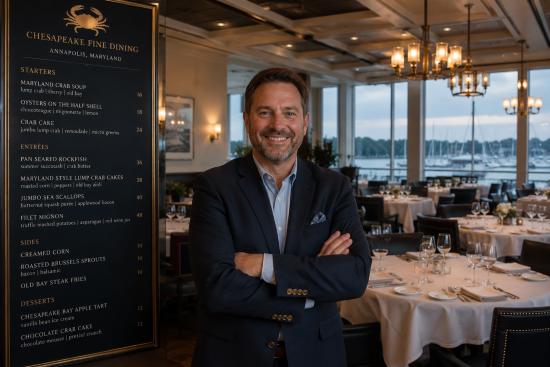
We know Ocean City's restaurant scene block by block
Ocean City's restaurant scene runs the length of a barrier island shaped by a real hurricane, with demand that swings by orders of magnitude between winter and summer. Here's what we watch for across its districts.
The Boardwalk
Running from S. 2nd Street to 27th Street, home to Thrasher's French Fries, operating continuously since 1929. Peak summer weekends bring extreme, concentrated tourist foot traffic and dense liquor liability exposure along the strip.
Midtown
Stretching from 28th Street to 90th Street, a dense corridor of hotels, motels, and restaurants serving the mid-island vacation-rental population, a different exposure than the Boardwalk's walk-up tourist crowd.
North Ocean City
Home to newer high-rise hotels and condominiums, a denser, newer-construction profile than the town's historic southern core.
Old Town
Marked by Victorian-style houses near the Boardwalk's north end, Ocean City's original historic town core, a genuine older-building contrast to the newer high-rise districts.
The Inlet
The harbor mouth at Ocean City's southern tip, carved open by the real 1933 Chesapeake-Potomac Hurricane and widened by a second storm the same year. The U.S. Army Corps of Engineers began building stabilizing jetties that October, infrastructure that still defines flood control at this end of the island today.
Core coverage lines every Ocean City restaurant should evaluate
Restaurant insurance in Ocean City is a tailored bundle built around Maryland law, local licensing, and your lease. Here's what actually protects Ocean City food service businesses.
General Liability Insurance
Protects against third-party bodily injury and property damage claims. Responds when guests slip, suffer foodborne illness, or get injured during delivery. Most landlords require $1M/$2M before lease signing.
Commercial Property Insurance
Covers your kitchen equipment, refrigeration and HVAC, tenant improvements, inventory, and business personal property against fire, equipment breakdown, and theft.
Business Owner's Policy (BOP)
Bundles general liability, commercial property, and business interruption into one package. Works best for single-unit restaurants with annual revenue under $3 million.
Liquor Liability Insurance
Protects restaurants serving alcohol from dram shop claims. Restaurants with liquor licenses typically must carry liquor liability coverage to maintain their permit.
Workers' Compensation Insurance
Covers medical expenses and lost wages for work-related injuries. Coverage requirements are set at the state level and apply to restaurants with employees.
Business Interruption Insurance
Replaces lost income and covers ongoing expenses when covered events force shutdowns or reduced capacity. Limits should reflect 3 to 6 months of net income plus fixed expenses.
What restaurant insurance typically costs in Ocean City
A rough range based on real Maryland market data. Not a quote, just a starting point before you talk to an agent about your specific Ocean City location.
| Coverage Type | Typical Annual Range | Why It Varies in Ocean City |
|---|---|---|
| General Liability Insurance | $700–$2,000/yr | Scales with your landlord's required limits and your building's age, especially in Maryland's historic waterfront and rowhouse districts. |
| Liquor Liability Insurance | $1,200–$4,000/yr | Maryland liquor licensing runs through 23 separate county boards plus Baltimore City's own state-appointed board, so requirements and costs vary significantly by jurisdiction. |
| Commercial Property w/ Flood Endorsement | $1,500–$5,000/yr | Ocean City sits entirely on Fenwick Island, a barrier spit, and its own inlet was carved open by a real 1933 hurricane, a structurally high flood-risk profile that standard inland property coverage doesn't reflect. |
| Workers' Compensation | Payroll-class rated | Required for virtually all Maryland employers, priced by payroll and job classification. |
| Business Interruption / Named-Storm Coverage | Rated by exposure | Coastal and tidal Maryland cities face real named-storm and flooding closure risk most inland restaurants don't carry. |
| Full-Service w/ Liquor License, Bundled | $7,000–$16,000/yr | Waterfront or historic-district locations should budget toward the higher end given documented flood history and historic-building renovation review requirements. |
Why a hurricane in 1933 still shapes Ocean City's flood risk today
Ocean City restaurant coverage has to account for genuine barrier-island flood exposure and an extreme, documented seasonal demand swing, on top of the Worcester County Board of License Commissioners's liquor licensing rules.
Ocean City's inlet exists because of a real, documented hurricane
The Chesapeake-Potomac Hurricane of August 1933 cut the channel now known as the Ocean City Inlet, and a second hurricane the following month widened it from roughly 100 feet to over 500 feet. The U.S. Army Corps of Engineers began building stabilizing jetties that October, permanent infrastructure that still shapes flood control at the island's southern end today.
Ocean City's population swings by a documented, extreme multiple
The town's permanent population is 6,844, but summer weekends bring an estimated 320,000 to 345,000 vacationers, with up to 8 million visitors annually, making Ocean City the second most populated municipality in Maryland during peak season. Confirm your food establishment licensing directly with the Worcester County Health Department, which covers Ocean City restaurants.
How Ocean City's extreme seasonal swing affects your staffing and coverage
Ocean City's real, documented seasonal population swing is a specific factor a generic Maryland policy doesn't fully account for.
You're staffing up a restaurant for Ocean City's summer season, going from a skeleton winter crew to a full seasonal team.
- The swing: Ocean City's permanent population of 6,844 swells to an estimated 320,000 to 345,000 vacationers on summer weekends, a documented, extreme demand multiple most cities never see.
- The gap: A flat, year-round workers' compensation and liability estimate may not reflect the real payroll and foot-traffic swing between your winter and peak-summer operations.
- The fix: Your coverage is reviewed against your actual seasonal staffing plan and peak-season foot traffic, not a flat annual assumption.
- The result: Coverage that scales the way your Ocean City restaurant's business actually does.
This is exactly why Ocean City-specific coverage matters. A generic Maryland policy doesn't automatically account for a seasonal swing this extreme.
Frequently asked questions
What insurance is required to open a restaurant in Ocean City, Maryland?
Maryland requires workers' compensation for virtually all employers, general liability to meet most lease agreements, and a food service facility license through the Worcester County Health Department. A liquor license through the Worcester County Board of License Commissioners is required separately if you serve alcohol.
How much does restaurant insurance cost in Ocean City, Maryland?
Restaurant insurance in Ocean City generally runs $4,300 to $10,500 per year for a standard Business Owner's Policy bundle, with full-service operations running active bars and heavy coastal exposure seeing $10,000 to $20,000 per year. General liability runs $900 to $2,500 per year; commercial property runs $1,500 to $5,000+ per year, driven up by Ocean City's Atlantic coast location requiring windstorm, hurricane, and flood endorsements well beyond Maryland's baseline. Workers' compensation, mandatory from your first employee, runs $1,500 to $10,000+ per year given the seasonal payroll swings. Liquor liability runs $1,200 to $3,500 per year, held down somewhat by Maryland's lack of statutory dram shop liability for serving adults.
How extreme is Ocean City's seasonal population swing, really?
Genuinely extreme. The town's permanent population is 6,844, but summer weekends bring an estimated 320,000 to 345,000 vacationers, with up to 8 million visitors annually, making Ocean City the second most populated municipality in Maryland during peak season.
Does Ocean City's seasonal staffing swing affect workers' comp costs?
Yes, significantly. Ocean City restaurants go through what local agents call a "Three-Month Payroll Mountain": workforce size spikes dramatically between Memorial Day and Labor Day and drops off just as sharply in the off-season, and workers' compensation is priced directly against payroll. Estimating one flat annual payroll figure for a workers' comp policy means overpaying during the slow winter months, so most Ocean City owners work with an agent who offers a pay-as-you-go workers' comp structure, billed against actual reported payroll each pay period instead of a fixed annual estimate.
Does being on a barrier island really change Ocean City's flood insurance needs?
Yes. Ocean City sits entirely on Fenwick Island, a barrier spit, which is a structurally higher flood-risk profile than an inland location, a real factor worth confirming against your specific address's flood-zone designation.
Get Ocean City restaurant coverage built around your actual location and seasonal demand swing.
Tell us your concept and your Ocean City location. We'll put together the coverage that actually applies.
Get Your Free Quote →