




Restaurant Insurance in Charleston, South Carolina
If you're a Charleston restaurant owner searching for insurance that actually understands historic-district renovation rules, real hurricane history, and South Carolina's new Act 42 liquor liability requirements, whether you're on Upper King Street or in the French Quarter, Insurance Kitchen builds coverage around that reality. Act 42 created a new liquor liability insurance floor that drove some South Carolina operators' quotes sharply higher before the state Senate suspended the mandate for one year in April 2026. We build Charleston restaurant coverage around your actual building and permit requirements.
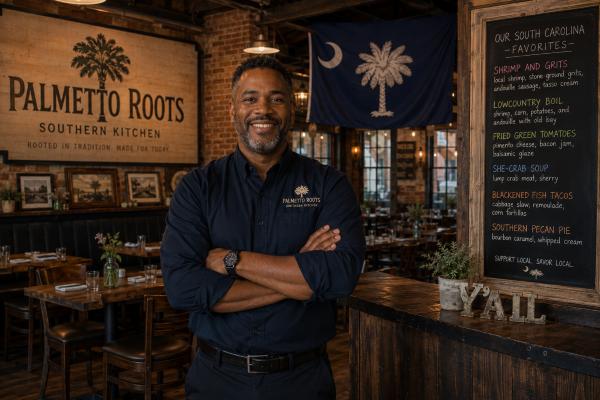
We know Charleston's restaurant scene block by block
Charleston is home to one of the most acclaimed culinary scenes in the country, anchored by centuries-old buildings that still house working kitchens. Here's what we watch for across its districts.
Upper King Street
Charleston's dense restaurant row of chef-driven concepts, raw bars, and nightlife. High concentration of liquor licenses in a compact footprint raises liquor liability and assault-related exposure.
French Quarter
Centuries-old converted carriage houses and homes now operating as restaurants. Older wood-frame and brick construction raises fire risk, and any exterior renovation requires Board of Architectural Review approval.
Historic District (Old and Historic District)
America's first legally protected historic district, established in 1931. Patios, HVAC/exhaust screening, and signage all require BAR approval, a real factor in renovation timing and business-interruption planning.
Mount Pleasant
A growing dining scene across the Cooper River, where the vast majority of buildings carry some documented flood-risk exposure. Flood coverage should reflect that reality directly.
James Island
A coastal, marsh-adjacent area with its own flood-zone considerations for restaurants near creeks and tidal marsh.
Core coverage lines every Charleston restaurant should evaluate
Restaurant insurance in Charleston is a tailored bundle built around South Carolina law, local licensing, and your lease. Here's what actually protects Charleston food service businesses.
General Liability Insurance
Protects against third-party bodily injury and property damage claims. Responds when guests slip, suffer foodborne illness, or get injured during delivery. Most landlords require $1M/$2M before lease signing.
Commercial Property Insurance
Covers your kitchen equipment, refrigeration and HVAC, tenant improvements, inventory, and business personal property against fire, equipment breakdown, and theft.
Business Owner's Policy (BOP)
Bundles general liability, commercial property, and business interruption into one package. Works best for single-unit restaurants with annual revenue under $3 million.
Liquor Liability Insurance
Protects restaurants serving alcohol from dram shop claims. Restaurants with liquor licenses typically must carry liquor liability coverage to maintain their permit.
Workers' Compensation Insurance
Covers medical expenses and lost wages for work-related injuries. Coverage requirements are set at the state level and apply to restaurants with employees.
Business Interruption Insurance
Replaces lost income and covers ongoing expenses when covered events force shutdowns or reduced capacity. Limits should reflect 3 to 6 months of net income plus fixed expenses.
What restaurant insurance typically costs in Charleston
A rough range based on real South Carolina market data. Not a quote, just a starting point before you talk to an agent about your specific Charleston location.
| Coverage Type | Typical Annual Range | Why It Varies in Charleston |
|---|---|---|
| General Liability Insurance | $500–$1,800/yr | Scales with your landlord's required limits and coastal proximity, not a flat statewide number. |
| Commercial Property (hurricane/flood-rated) | $1,200–$5,000/yr | Charleston's peninsula sits along the Ashley, Cooper, and Wando Rivers and several tidal creeks, all named flood-hazard sources in the city's own floodplain mapping. |
| Liquor Liability Insurance | $1,500–$5,000+/yr | Act 42's new liquor liability insurance floor (up to $1 million, reducible through documented risk-mitigation credits) drove some coastal quotes as high as $85,000 before the SC Senate suspended the mandate for one year in April 2026. Confirm current status with your agent. |
| Workers' Compensation | Payroll-class rated | Priced by payroll and job classification rather than location. |
| Core Program, No Alcohol | $3,000–$8,000/yr | A baseline for a smaller operation before full liquor service is added. |
| Core Program w/ Alcohol (Act 42-affected), Bundled | $7,000–$15,000/yr | Coastal Grand Strand locations run about 25% higher due to hurricane exposure, on top of Act 42's liquor liability floor. |
Why Charleston's historic district rules and hurricane history both shape your coverage
Charleston restaurant coverage has to account for the nation's oldest historic-district review process and a real, documented hurricane history, on top of South Carolina's statewide Act 42 liquor liability framework.
The Board of Architectural Review was the first of its kind in the country
Charleston's Board of Architectural Review was created in 1931, the first legally protected historic district in the United States. Any exterior alteration to a restaurant in the historic core, patios, awnings, signage, mechanical equipment, requires BAR approval, which directly affects renovation timing and business-interruption planning.
Hurricane Hugo is a real, documented benchmark for historic-building risk
Hurricane Hugo struck Charleston in September 1989 with roughly 120 mph winds downtown. More than 80% of the historic district's roofs sustained damage, and property owners still had to follow BAR historic-preservation rules during storm repairs. It's a real, dramatic reference point for property coverage on older Charleston buildings.
How BAR approval affects a King Street restaurant renovation timeline
Charleston's historic-district review process is a real, specific factor in how long a renovation or buildout actually takes.
You're renovating a restaurant space on Upper King Street, and the plans include a new patio and exterior HVAC screening.
- The requirement: Any exterior work visible from the public right-of-way, patios, awnings, signage, mechanical equipment, requires Board of Architectural Review approval before work begins.
- The gap: A business-interruption policy sized for a standard renovation timeline may not reflect the added weeks or months a BAR review can add to a Charleston buildout.
- The fix: Business-interruption coverage is reviewed against a realistic Charleston-specific renovation timeline, not a generic national estimate.
- The result: Coverage that matches how long a Charleston historic-district renovation actually takes.
This is exactly why Charleston-specific coverage matters. A generic South Carolina policy doesn't automatically account for the nation's oldest historic-district review process.
Frequently asked questions
How much does restaurant insurance cost in Charleston, South Carolina?
A mid-sized Charleston restaurant typically pays $15,000 to $35,000 a year for comprehensive coverage, though a small cafe or counter-service spot can find minimal coverage for $3,000-$10,000/yr. Coastal exposure drives that gap: commercial property runs 2x-4x inland South Carolina rates due to hurricane and windstorm risk, and standard property policies exclude flood damage entirely, so most owners carry a separate flood policy running $1,500-$5,000/yr. Many historic downtown buildings also carry older wiring and plumbing that pushes property premiums higher independent of storm risk.
Does renovating a restaurant in Charleston's historic district take longer than elsewhere?
It can. Any exterior work visible from the street, patios, signage, mechanical equipment, requires Board of Architectural Review approval, a process created in 1931 as the first of its kind in the country. This is worth building into your business-interruption coverage timeline.
How did Hurricane Hugo affect Charleston's historic restaurant buildings?
Hurricane Hugo hit Charleston in 1989 with roughly 120 mph winds, and more than 80% of the historic district's roofs sustained damage. It remains a real, documented benchmark for hurricane-related property risk on Charleston's older buildings.
Does Act 42's liquor liability mandate still apply to Charleston restaurants?
The SC Senate voted in April 2026 to suspend the $1 million liquor liability insurance floor for one year, through mid-2027, though the law's 50% fault cap for licensees remains in effect. Confirm current enforcement status directly with your agent, since this is an evolving, recently changed area of law.
Does a Mount Pleasant restaurant need different flood coverage than one downtown?
Yes. The vast majority of buildings in Mount Pleasant carry some documented flood-risk exposure, which is worth confirming directly with your property coverage rather than assuming downtown Charleston's flood profile applies equally.
Get Charleston restaurant coverage built around your actual building and permit requirements.
Tell us your concept and your Charleston neighborhood. We'll put together the coverage that actually applies.
Get Your Free Quote →