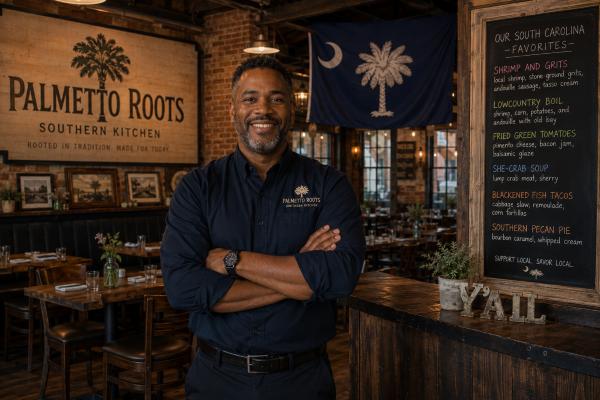
One Claim Can Close A Restaurant. Don't Let That Be Yours.
Access Tailored Restaurant Insurance South Carolina
100%
Restaurant-Only Focus
12+
Carrier Markets
SC
Licensed Agents
Our Top A+ Rated Restaurant Insurance Carriers
Every carrier in our restaurant program holds an A+ rating from AM Best. We work with national carriers who write restaurant policies at volume, which means your coverage comes with the claims infrastructure, underwriting depth, and policy language that general business insurers do not offer. Our role is to match your specific concept, size, and risk profile to the carrier whose appetite fits, not just whoever has the lowest opening premium.
COVERAGE AREAS
What Makes South Carolina Restaurant Insurance Different
First, Act 42’s January 2026 implementation created the most significant statutory shift in South Carolina alcohol vendor liability in decades — a 50 percent licensee cap on joint and several liability, a “knowingly” standard aligned across all alcohol license types, and a mandatory insurance floor that the market struggled to provide affordably along the Grand Strand and barrier islands. The SC Senate’s April 2026 vote to suspend that floor for one year reflects how acute the access-to-coverage crisis became for coastal operators.
Second, the July 2024 SCDA transfer fundamentally changed who licenses and inspects South Carolina restaurants — and tied that Grade A license to the PLB liquor license in a way that makes food safety compliance directly material to alcohol service rights.
Covers third-party bodily injury, property damage, and advertising injury.
South Carolina’s busy tourist markets — Charleston, Myrtle Beach, Hilton Head — generate high foot traffic and elevated slip-and-fall claim frequency. Foodborne illness and product liability run through general liability. Act 42’s reform of § 15-38-15 joint and several liability affects all restaurant tort cases, not just alcohol claims — defendants found less than 50 percent at fault pay only their proportionate share. Standard minimums run $1 million per occurrence and $2 million aggregate with umbrella coverage recommended above.
Covers building, equipment, inventory, and furnishings against fire, theft, lightning, and wind.
South Carolina’s coastal geography creates a tiered risk structure: barrier island restaurants on Hilton Head, Pawleys Island, and Folly Beach face the highest hurricane and storm surge exposure; Grand Strand restaurants in Myrtle Beach and North Myrtle Beach face Tier 2 exposure; Charleston peninsula and Mount Pleasant restaurants face significant tidal flooding risk. Admitted carriers have restricted capacity in coastal zones, pushing wind and hail coverage to the SC Wind Pool. Operators typically carry split programs: Wind Pool for wind, admitted carrier for fire and other perils, NFIP or private flood for water damage. Replacement cost valuations should reflect demand surge pricing following regional hurricane events.
Required under § 42-1-360 when four or more employees are regularly employed with annual payroll of at least $3,000.
Part-time and seasonal staff count toward the threshold. Private market carriers provide coverage — the SC State Accident Fund covers only government entities. The SC Uninsured Employers’ Fund pays injured workers’ claims and then pursues the non-compliant employer for full reimbursement. The WCC can order immediate cessation of business operations for uninsured employers.
Act 42 restructured South Carolina dram shop liability effective January 1, 2026. The “knowingly” standard now applies uniformly to beer, wine, and liquor by the drink service.
The 50 percent licensee cap limits joint and several liability when a drunk driver is also found liable. Act 42 also created a mandatory liquor liability insurance floor — $1,000,000 reducible to $300,000 via credits — currently subject to a Senate-voted one-year suspension as of April 2026. Any restaurant holding a beer and wine permit or PLB license should carry dedicated liquor liability coverage and confirm current minimum requirements with their broker given the legislative flux.
Act 42’s 50 percent licensee cap reduces but does not eliminate dram shop exposure.
A full restaurant liquor liability verdict with the licensee at 30 percent of fault in a $3 million wrongful death case still produces a $900,000 judgment. Umbrella coverage above primary general liability and liquor liability limits addresses the gap between primary policy limits and catastrophic loss scenarios that Act 42’s reforms did not eliminate.
Standard commercial property policies exclude flood.
South Carolina’s NFIP density — fourth nationally — reflects how real coastal flood exposure is for restaurant operators in the Lowcountry and Grand Strand. The NFIP commercial maximum of $1 million combined is inadequate for most multi-million dollar coastal restaurant operations. Private flood market alternatives provide higher limits, replacement cost valuation, and business interruption riders that the NFIP does not offer.
High-volume seasonal operations along the Grand Strand and barrier islands hire rapidly during tourist season with limited background check time, creating elevated internal theft exposure.
Cash-intensive late-night service under the 2:00 AM closing allowance amplifies end-of-night theft risk. Crime coverage protects against employee dishonesty, robbery, and check fraud.
Charleston’s tech-forward dining scene, Myrtle Beach’s tourist-season transaction volumes, and Hilton Head’s high-income seasonal market all generate significant payment card data exposure.
PCI DSS fines, forensic investigation, and cardholder notification costs are not covered by any property or liability policy. South Carolina’s data breach notification statute requires notification to affected individuals and the attorney general.
Pays for perishable inventory losses from power outages and refrigeration failures.
Hurricane-driven power outages across coastal South Carolina regularly last multiple days. Contamination coverage addresses foodborne illness incidents requiring professional sanitation and SCDA-ordered closure. A SCDA-ordered closure that follows a critical violation finding and triggers a mandatory re-inspection window creates a revenue loss the contamination rider is designed to address.
Commercial kitchen equipment breakdown is material for South Carolina’s climate — summer heat and humidity stress HVAC systems and commercial refrigeration units.
Post-hurricane equipment losses from power surge and flooding are addressed through the property program and flood coverage; breakdown policies respond to sudden mechanical and electrical failures during normal operations not caused by a covered property peril.
Replaces lost revenue during covered property-damage closures. South Carolina’s hurricane season creates the primary BI trigger — a direct hit on Charleston or the Grand Strand can force closures lasting days to weeks, with seasonal peak periods representing the highest-revenue windows.
Business interruption limits should reflect seasonal revenue peaks rather than annualized averages for beach-destination restaurants in Myrtle Beach, Pawleys Island, and Hilton Head whose summer revenue can represent the majority of annual income. Extended indemnity periods are advisable given post-hurricane repair timelines in coastal markets.
South Carolina’s restaurant industry carries high EPLI frequency from wrongful termination, sexual harassment, and wage and hour claims.
The state follows federal anti-discrimination law without significant state-law enhancement, but federal Title VII, ADA, and FLSA enforcement applies fully. Tip credit calculation disputes — South Carolina uses the federal $2.13 tipped base — and the transition in tip pool practices following Act 42’s operational requirements create wage claim exposure.
WHO WE SERVE
South Carolina Restaurant Insurance by Restaurant Type
🍽️
Full-service South Carolina restaurants carry general liability, liquor liability under Act 42’s current framework with mandatory minimums confirmed, workers’ comp from the four-employee threshold under § 42-1-360, commercial property structured as a split Wind Pool and admitted carrier program for coastal locations, flood coverage above NFIP maximums for coastal operations, and business interruption sized to seasonal peak revenue. PLB license holders must maintain Grade A SCDA standing and RAST certification for all servers working 10 or more hours weekly. Sunday liquor service requires a Local Option Permit in approved jurisdictions.
🥡
Fast casual operations without liquor service focus on general liability, workers’ comp from the four-employee threshold, commercial property with coastal wind and flood exposure reviewed, and food spoilage for hurricane power outages. The federal $7.25 minimum wage and $2.13 tipped base apply with no state-level floor above the federal rate. SCDA Grade A compliance is required for all operations; the risk category determines inspection frequency.
🚚
South Carolina food trucks need commercial auto, general liability, and product liability. Workers’ comp applies from the four-employee threshold. SCDA mobile food unit licensing is required. Food trucks operating at Grand Strand beach events and Charleston waterfront festivals face seasonal liability concentration during peak summer periods.
🍱
South Carolina caterers face product liability and off-premises general liability on every event. Hired-and-non-owned auto covers catering vehicles. Caterers providing alcohol service under a Class P caterer’s permit carry Act 42 dram shop exposure and RAST certification obligations for alcohol service staff. Catering events at coastal venues may require additional coverage for outdoor locations in wind-exposed zones.
☕
South Carolina cafes without alcohol service focus on general liability, workers’ comp from the four-employee threshold, commercial property with coastal wind exposure reviewed, and equipment breakdown for espresso and refrigeration. SCDA Grade A licensing is required. No state minimum wage above the federal floor applies.
🍕
Pizzerias combine delivery auto risk, burn injury workers’ comp, and general liability. Commercial auto or hired-and-non-owned auto covers delivery drivers. Pizzerias with beer and wine permits carry Act 42 “knowingly” standard exposure. SCDA Grade A is required; beer and wine on-premises permits require a current SCDA license.
🥂
South Carolina fine dining restaurants in Charleston’s King Street corridor, Hilton Head’s resort district, and Pawleys Island carry full PLB programs subject to Act 42’s dram shop framework. High-value wine and spirits inventory should be scheduled on the property policy. Coastal locations require split Wind Pool and admitted carrier property programs. RAST certification for all servers is both a regulatory obligation and a $100,000 insurance credit qualification. Umbrella coverage above Act 42-required liquor liability limits is a baseline requirement.
👻
South Carolina ghost kitchens retain product liability for every delivered order and need commercial property reviewed for coastal exposure. Workers’ comp applies from the four-employee threshold. SCDA food establishment licensing is required. Act 42’s RAST and insurance requirements apply if the ghost kitchen holds a beer and wine permit or PLB license for any on-premises service component.
🥐
South Carolina bakeries face product liability for allergen failures, workers’ comp for burn injuries, and commercial property with hurricane exposure reviewed by location. Equipment breakdown for commercial ovens and mixers is important in coastal humidity environments. Operators at Charleston Farmers Market and Myrtle Beach outdoor events need off-premises general liability.
🏢
South Carolina franchise operators must satisfy franchisor insurance specifications while addressing Act 42’s mandatory liquor liability insurance floor — currently subject to legislative suspension — and RAST certification obligations that standard franchise compliance templates may not reflect. Coastal Wind Pool property structures, Grade A SCDA license prerequisites for PLB holders, and the Sunday Local Option Permit process are all South Carolina-specific factors requiring local broker expertise.
🗂️
South Carolina restaurant groups operating across Charleston, Myrtle Beach, Columbia, and Hilton Head face different coastal wind exposure tiers by location, different Sunday sales availability by county based on local referendum results, and Act 42 insurance and RAST obligations uniformly statewide. A master commercial policy with scheduled locations, Wind Pool wind coverage by location, and umbrella coverage applied uniformly is the most efficient structure. RAST certification tracking and Grade A SCDA compliance must be maintained at each location independently.
South Carolina-Specific Risk Factors Every Restaurant Owner Must Understand
Act 42: South Carolina’s Restructured Dram Shop Framework:
Act 42 (H.3430), signed May 28, 2025 and effective January 1, 2026, restructured South Carolina’s alcohol liability framework in four meaningful ways. The licensee’s joint and several liability is now capped at 50 percent of actual damages when both a drunk driver and a licensee are found liable. Section 61-6-2220 now requires proof that the licensee knowingly sold liquor to a visibly intoxicated person, eliminating strict liability arguments. Non-party tortfeasors including the drunk driver are placed on the verdict form, allowing fault to be apportioned away from the licensee. Act 42 also amends § 15-38-15 to reform joint and several liability across all South Carolina tort cases for defendants found less than 50 percent at fault, a benefit extending to slip-and-fall, foodborne illness, and assault on premises claims.
The Act 42 Mandatory Insurance Floor and the 2026 Market Crisis:
Act 42 created South Carolina’s first mandatory liquor liability insurance requirement: any establishment selling alcohol for on-premises consumption after 5:00 PM must carry a minimum $1,000,000 annual aggregate policy. A credit structure allows that floor to be reduced. Stopping service at midnight reduces the requirement by $250,000. Completing staff training within 60 days of hire reduces it by $100,000. Keeping alcohol sales below 40 percent of total revenue reduces it by $100,000. Using digital ID scanners between midnight and 4:00 AM reduces it by $100,000. The floor cannot fall below $300,000 regardless of credits earned. The market response was severe: some Grand Strand operators previously paying under $10,000 annually found quotes reaching $85,000 or more. The South Carolina Senate voted in April 2026 to suspend the mandatory requirement for one year. Operators should confirm the current status with their broker before renewal.
Responsible Alcohol Server Training: The RAST Mandate:
The RAST requirement under § 61-3-100, as amended by Act 42, mandates certification for every alcohol server working 10 or more hours per week and every manager overseeing alcohol service. New hires must complete training within 60 days of employment. SCDOR-approved programs including ServSafe Alcohol, TIPS, and Serving Alcohol Inc. issue certificates valid for three years. Penalties are $500 per uncertified server per inspection. In a restaurant with 20 uncertified servers, that is $10,000 per inspection. Documented 60-day compliance also qualifies the establishment for a $100,000 reduction in the mandatory liquor liability insurance floor, making RAST both a regulatory obligation and an insurance cost management tool.
The PLB License: Requirements, the SCDA Link, and Sunday Service:
The SCDOR Business Liquor by the Drink license requires simultaneous seating for at least 40 people, a separate kitchen with fixed cooking equipment, cold storage of at least 21 cubic feet, adequate food inventory, and a current menu. The restaurant must also hold a Grade A food establishment license from the South Carolina Department of Agriculture before SCDOR will issue the PLB, linking the two licenses in a compliance chain. A SCDA downgrade to Grade B or C therefore jeopardizes the PLB license as well. The application process requires advertising in a local legal newspaper for three consecutive weeks and posting a SLED notice for 15 days. The license fee is $1,705 every two years. Sunday liquor service requires a separate Local Option Permit and is only available where voters have approved Sunday sales by local referendum.
The SCDA Transfer: Food Safety Under New Authority:
South Carolina’s July 1, 2024 transfer of food safety inspection authority from DHEC to SCDA changed the regulatory relationship for every restaurant in the state. SCDA implemented a Risk Category 1 through 4 inspection system, with Category 4 full-service restaurants receiving four unannounced annual inspections. SCDA issues letter grades on a 100-point system: Grade A above 87 points, Grade B from 78 to 87, and Grade C below 78, all posted publicly with a QR code linking to the inspection report. Because Grade A status is a PLB license prerequisite, a failed unannounced SCDA inspection has direct consequences for a restaurant’s liquor license. Operators who treated food safety as routine compliance under DHEC should recognize that SCDA represents a different regulatory authority with its own enforcement culture.
Coastal Property Insurance: The Wind Pool, NFIP, and the Split Program:
South Carolina ranks fourth nationally in NFIP flood policy count with more than 198,000 active policies covering $54.8 billion in property. Charleston, Beaufort, Horry, Georgetown, and Berkeley counties account for roughly 91 percent of all SC NFIP policies. The NFIP commercial maximum of $500,000 for the building and $500,000 for business personal property will exhaust quickly for restaurants with substantial building values, requiring private market excess flood coverage. The SC Wind Pool operates as the wind and hail insurer of last resort for barrier island and coastal county properties where admitted carriers have restricted coverage. Coastal South Carolina restaurants frequently carry three separate policies: the Wind Pool for wind and hail, an admitted carrier for fire and other perils, and NFIP or private flood for water damage. Premium increases of 20 to 35 percent have been documented across Horry and Georgetown county commercial properties since 2023.
WHY INSURANCE KITCHEN
Why Restaurant Owners Choose Us
We specialize exclusively in food service operations. Every carrier we access, every policy we place, is built around restaurant risk — not adapted from a general commercial template.
We shop 12+ carriers to find the right match for your operation — not just the first carrier who will write the policy. Your coverage should reflect your specific risk profile.
Fast Turnaround
Most restaurants get coverage options within 24 – 48 hours. Opening soon, renewing, or replacing a policy that’s not working — we move fast because your timeline matters.
COMMON QUESTIONS
South Carolina Restaurant Insurance FAQs
What did Act 42 change about South Carolina dram shop liability for restaurants?
Act 42 (H.3430), effective January 1, 2026, caps the licensee’s joint and several liability at 50 percent of actual damages when a drunk driver is also found liable. It uniformly applies the “knowingly” standard to beer, wine, and liquor service. Non-party tortfeasors are placed on the verdict form for fault apportionment. Joint and several liability reform under § 15-38-15 also benefits restaurants in non-alcohol tort cases.
What is South Carolina's mandatory liquor liability insurance requirement, and has it changed?
Act 42 created a $1,000,000 mandatory minimum for establishments serving alcohol for on-premises consumption after 5:00 PM, reducible to $300,000 via credits for midnight cutoffs, RAST compliance, alcohol revenue below 40%, ID scanner use, and nonprofit status. In April 2026, the SC Senate voted to suspend this requirement for one year due to market hardening. Operators should confirm current applicable minimums with their broker.
What is South Carolina's RAST requirement and what are the penalties?
Every alcohol server working 10 or more hours per week and every manager overseeing alcohol service must hold a current SCDOR-recognized Alcohol Server Certificate. The deadline for existing staff was May 1, 2026. New hires must certify within 60 days. Certificates are valid three years. Penalties are $500 per uncertified server per inspection. Compliance earns a $100,000 reduction in the Act 42 insurance floor.
What are the requirements for a South Carolina PLB liquor by the drink license?
The PLB requires seating for 40 people at tables, a separate kitchen with cooking equipment, 21 cubic feet of cold storage, a current menu, and a Grade A SCDA food establishment license. Applicants must run a three-week legal newspaper advertisement and a 15-day SLED notice. The fee is $1,705 every two years. Sunday liquor requires a separate Local Option Permit in approved jurisdictions.
What changed about South Carolina restaurant food safety inspections in 2024?
Effective July 1, 2024, the South Carolina Department of Agriculture replaced DHEC as the licensing and inspection authority for all restaurants. SCDA uses a Risk Category 1 to 4 system with annual to quarterly unannounced inspections. A 100-point letter grade system issues A, B, or C grades displayed publicly on window decals. A Grade A is required to obtain or maintain a PLB license.
How does the SC Wind Pool work for coastal restaurants?
The SCWHUA Wind Pool provides wind and hail coverage when admitted carriers won’t. Coastal restaurant operators typically carry split programs: Wind Pool for wind, admitted carrier for fire and other perils, NFIP or private flood for water damage. South Carolina ranks fourth nationally in NFIP policy count. Premium increases of 20 to 35 percent have hit Horry and Georgetown county commercial properties since 2023.
When is workers' compensation required for a South Carolina restaurant?
Workers’ comp under § 42-1-360 is required when four or more employees are regularly employed with annual payroll of at least $3,000. Part-time and seasonal staff count. The SC Uninsured Employers’ Fund pays injured workers’ claims from non-compliant employers and then seeks full reimbursement. The WCC can order immediate cessation of business operations.
[
How much does restaurant insurance cost in South Carolina?
Core packages typically run $3,000 to $12,000 per year. Coastal location and the Act 42 mandatory liquor liability insurance requirement drove some Grand Strand operators to $85,000 or more annually before the Senate-voted suspension. Split Wind Pool and flood programs add cost and complexity. RAST compliance earns a $100,000 Act 42 credit. The Insurance Kitchen builds comparative quotes addressing South Carolina’s full current regulatory and property risk landscape.
Get Your Restaurant Covered Today
Insurance Kitchen specializes exclusively in restaurants. No generalists, no boilerplate programs. Call (234) 271-4963 or start your custom quote online to build coverage calibrated to your operating environment.