




One claim can close a Massachusetts restaurant. Don't let that be yours.
Massachusetts is one of the few states that makes liquor liability a licensing requirement, not a recommendation — no license is issued or renewed without proof of coverage at $250,000 per person / $500,000 per accident minimums. Boston's Seaport District now floods approximately 12 times per year, up from 2-3 times fifty years ago, with $7.6 billion in Seaport commercial real estate sitting at least partially in the 100-year flood plain.
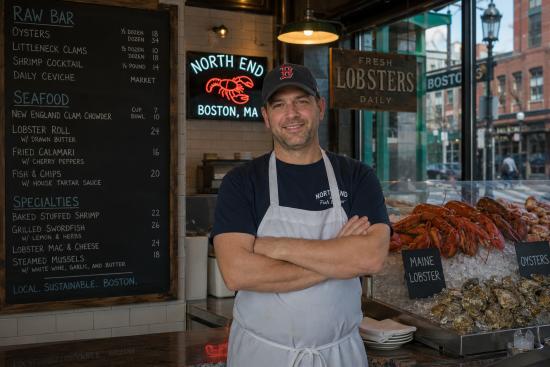
What does your Massachusetts restaurant actually need protection against?
Answer a few questions and we'll show you which coverage lines typically matter most for your Massachusetts operation — no quote form required to see it.
Coverage Finder
Select every option that applies to your business
Coverage lines that address Massachusetts's specific exposures
Massachusetts's mandatory liquor liability rule, accelerating coastal flood risk, and labor law complexity create a specific set of exposures standard commercial policies aren't built to handle — the coverage lines below address each one directly.
General Liability Insurance
Covers bodily injury and property damage claims — slip-and-falls, customer injuries, and foodborne illness allegations. Massachusetts operators should carry a minimum of $1 million per occurrence with a $2 million aggregate.
Commercial Property Insurance
Covers your building, equipment, and inventory against fire, theft, windstorm, and winter weather. Massachusetts restaurants face nor'easter wind and rain, roof damage from heavy snow, and frozen pipe water damage every winter.
Workers' Compensation Insurance
Massachusetts General Laws Chapter 152 requires coverage for any employer with one or more employees. Non-compliance triggers stop-work orders, fines starting at $100/day escalating to $250/day on appeal, and criminal exposure up to one year in prison.
Liquor Liability Insurance
Massachusetts law requires proof of liquor liability at minimum limits of $250,000 per person and $500,000 per accident before any liquor license is issued or renewed. A lapsed policy risks the license itself, not just the coverage gap.
Employment Practices Liability Insurance
Massachusetts's tip credit system, complex wage compliance obligations, and the gap between state and federal overtime rules create meaningful EPLI exposure for restaurants with tipped employees.
Business Interruption Insurance
Massachusetts's seasonal markets — Cape Cod, Martha's Vineyard, Nantucket — generate the majority of annual revenue in a compressed summer window. A nor'easter or flood event during peak season is far more damaging than the same event in January.
Why Massachusetts's licensing law and coastal risk change what your policy needs to do
This isn't generic small-business risk — Massachusetts's specific statute and accelerating flood data create exposures that only apply here.
In Massachusetts, your liquor liability policy IS your liquor license
Since 2010, no Massachusetts liquor license is issued or renewed until proof of insurance is filed with the local licensing authority at $250,000/$500,000 minimums. Most states treat liquor liability as recommended coverage — Massachusetts treats it as a licensing prerequisite, so a lapsed policy puts the license itself at risk, not just the coverage.
Boston's Seaport flood risk is accelerating in documented, measurable ways
The Seaport now floods approximately 12 times per year, compared to 2-3 times annually fifty years ago, and state flood models project virtually the entire district within a flood zone by 2050. The Boston Globe documented $7.6 billion in Seaport commercial real estate sitting at least partially in the 100-year flood plain — and standard commercial property excludes that loss entirely.
What might Massachusetts restaurant coverage cost you?
A rough range based on your setup — not a quote, just a starting point before you talk to an agent.
How Boston's Seaport flood risk actually plays out
A Seaport flood event is a scenario Boston waterfront operators now face roughly monthly — here's how a major event typically unfolds.
A historic nor'easter activates flood barriers near your Seaport restaurant and floods the dining room.
- The flood damage: Storm surge floods the dining room and kitchen equipment — a loss excluded from standard commercial property and only covered by separate NFIP or private flood insurance.
- The license check: Your broker confirms your liquor liability policy remains active and aligned with your license renewal calendar, since a lapse during a crisis risks the license itself.
- The closure: Repairs and cleanup force a temporary closure — business interruption coverage replaces the lost revenue during that period.
- The coordinated response: Flood, liquor liability compliance, and business interruption all get reviewed together instead of falling into gaps between separately purchased policies.
This is exactly why Boston's Seaport and waterfront markets need flood coverage treated as essential infrastructure, not an afterthought, given documented flooding twelve times a year.
Frequently asked questions
What insurance does a restaurant need in Massachusetts?
Massachusetts restaurants need general liability, commercial property, workers compensation, and liquor liability as a baseline. Liquor liability is legally required to obtain or renew a Massachusetts liquor license. Boston Seaport, waterfront, and Cape Cod restaurants need separate flood coverage. Operators with tipped employees should carry EPLI given Massachusetts's wage and hour compliance landscape.
Is liquor liability insurance required by law in Massachusetts?
Yes. Massachusetts law requires proof of liquor liability at minimum limits of $250,000 per person and $500,000 per accident before any liquor license is issued or renewed. A lapsed policy creates both a coverage gap and a license compliance violation. Policy renewal dates should be aligned with liquor license renewal calendars.
What is Massachusetts's dram shop law?
Massachusetts General Laws Chapter 138 § 69 prohibits serving alcohol to an intoxicated person. Civil liability is established through common law negligence — an injured party must prove the establishment knew the patron was intoxicated and continued serving them. Massachusetts courts have imposed liability in cases meeting this standard. The $250,000/$500,000 statutory minimums are a floor, not a sufficient limit for high-volume alcohol service operations.
Is workers compensation required for Massachusetts restaurants?
Yes. Massachusetts requires workers compensation for any employer with one or more employees under Chapter 152. Non-compliance triggers stop-work orders, escalating daily fines, and potential criminal charges. Massachusetts exempts restaurant workers from state overtime rules, but federal FLSA overtime still applies — operators relying solely on state law guidance face wage-and-hour compliance exposure.
Do Massachusetts restaurants need flood insurance?
Boston's Seaport floods approximately 12 times per year and is projected to be largely within a FEMA flood zone by 2050. Standard commercial property policies exclude flood damage. Seaport, waterfront, and Cape Cod restaurants should carry NFIP or private flood coverage. Nor'easters also create meaningful coastal flooding across the Massachusetts coastline.
How much does restaurant insurance cost in Massachusetts?
Massachusetts restaurant insurance costs depend on revenue, seating capacity, alcohol sales, location, flood zone status, and claims history. A small year-round fast casual operation may pay $5,000 to $10,000 per year. A full-service Boston restaurant with alcohol service, waterfront flood exposure, significant property values, and EPLI coverage will typically pay $18,000 to $40,000 or more depending on limits and loss history.
Massachusetts Cities We Serve
Neighborhood-specific restaurant insurance guidance for Massachusetts's largest restaurant markets, real local risk, not a statewide template.
Boston Restaurant Insurance
Neighborhood-level coverage guidance built specifically for Boston restaurant owners.
Worcester Restaurant Insurance
Neighborhood-level coverage guidance built specifically for Worcester restaurant owners.
Cambridge Restaurant Insurance
Neighborhood-level coverage guidance built specifically for Cambridge restaurant owners.
Springfield Restaurant Insurance
Neighborhood-level coverage guidance built specifically for Springfield restaurant owners.
Get your Massachusetts restaurant covered today.
Tell us about your restaurant and we'll find the right coverage at the right price — no pressure, no obligation.
Get Your Free Quote →