



Restaurant Insurance in Cambridge, Massachusetts
If you're a Cambridge restaurant owner searching for insurance that actually understands the city's own 47-year local Prohibition, its genuinely unusual liquor license structure, and neighborhoods from Harvard Square to Kendall Square, Insurance Kitchen builds coverage around that reality. Cambridge banned alcohol sales under its own local law from 1886 to 1933, a full 47 years dry, independent of and predating the federal 18th Amendment. We build Cambridge restaurant coverage around your actual neighborhood and license path.
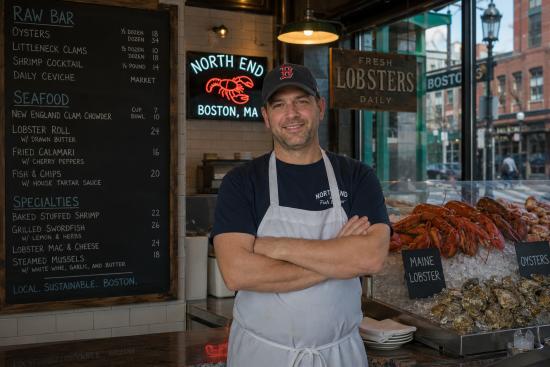
We know Cambridge's restaurant scene block by block
Cambridge's restaurant scene runs through the city's original town center and a biotech corridor once known for something entirely different. Here's what we watch for across its squares.
Harvard Square
Cambridge's oldest continuous commercial district, a town center since the 1600s, home to Mr. Bartley's Burger Cottage. Dense historic buildings and heavy tourist foot traffic raise premises and liquor liability exposure together.
Central Square
Cambridge's grittier live-music and late-night dining corridor. Concentrated nightlife raises overserving and assault-liability exposure.
Kendall Square
An MIT-adjacent district that shifted from industrial and, briefly, one of America's largest pork-packing centers, into today's biotech hub. High commercial property values in lab-adjacent buildings raise replacement-cost exposure.
Inman Square
An eclectic, independent restaurant and bar corridor anchored by a historically dangerous intersection. Traffic complexity raises real pedestrian and delivery-driver exposure.
Core coverage lines every Cambridge restaurant should evaluate
Restaurant insurance in Cambridge is a tailored bundle built around Massachusetts law, local licensing, and your lease. Here's what actually protects Cambridge food service businesses.
General Liability Insurance
Protects against third-party bodily injury and property damage claims. Responds when guests slip, suffer foodborne illness, or get injured during delivery. Most landlords require $1M/$2M before lease signing.
Commercial Property Insurance
Covers your kitchen equipment, refrigeration and HVAC, tenant improvements, inventory, and business personal property against fire, equipment breakdown, and theft.
Business Owner's Policy (BOP)
Bundles general liability, commercial property, and business interruption into one package. Works best for single-unit restaurants with annual revenue under $3 million.
Liquor Liability Insurance
Protects restaurants serving alcohol from dram shop claims. Restaurants with liquor licenses typically must carry liquor liability coverage to maintain their permit.
Workers' Compensation Insurance
Covers medical expenses and lost wages for work-related injuries. Coverage requirements are set at the state level and apply to restaurants with employees.
Business Interruption Insurance
Replaces lost income and covers ongoing expenses when covered events force shutdowns or reduced capacity. Limits should reflect 3 to 6 months of net income plus fixed expenses.
What restaurant insurance typically costs in Cambridge
A rough range based on real Massachusetts market data. Not a quote, just a starting point before you talk to an agent about your specific Cambridge location.
| Coverage Type | Typical Annual Range | Why It Varies in Cambridge |
|---|---|---|
| General Liability Insurance | $700–$2,000/yr | Scales with your landlord's required limits, higher in dense, high-value commercial corridors like Boston and Cambridge. |
| Commercial Property | $1,500–$5,500/yr | Depends on your building's age and construction. Coastal and river-adjacent Massachusetts properties carry real, documented flood exposure that inland locations don't. |
| Liquor Liability Insurance | $1,500–$4,500/yr | Cambridge reportedly opted out of the standard Massachusetts liquor license quota system for full-alcohol licenses by a 1981 vote, a genuinely different licensing landscape than most Massachusetts cities. |
| Workers' Compensation | Payroll-class rated | Mandatory for Massachusetts employers, priced by payroll and job classification rather than location. |
| Business Interruption / Flood | Rated by exposure | Coastal, harbor-adjacent, and river-adjacent Massachusetts restaurants face real, documented flood history worth building into your coverage plan. |
| Full-Service w/ Alcohol, Bundled | $18,000–$40,000/yr | A small year-round fast-casual operation may pay far less. Full-service restaurants with alcohol service, flood exposure, and significant property values run toward the higher end or above it. |
Why Cambridge's liquor history runs deeper than most cities'
Cambridge restaurant coverage has to account for a real, 47-year local Prohibition and a genuinely distinctive liquor licensing structure, on top of the City of Cambridge's Board of License Commissioners review process.
Cambridge was dry for 47 years, well before national Prohibition
Cambridge enacted its own local "No-License" law banning alcohol sales from 1886 to 1933, a full 47 years dry and independent of the federal 18th Amendment (1920-1933). Before the ban, saloons and bars had proliferated from East Cambridge to Harvard Square. It is a genuinely distinctive, dated piece of the city's liquor history.
Cambridge's liquor license structure is set by state law, but genuinely different
Cambridge's three-member Board of License Commissioners, set by Massachusetts state law in 1919, reviews applications before the state's Alcoholic Beverages Control Commission gives final approval, a combined process that takes a minimum of eight weeks. Sources indicate Cambridge opted out of the standard statewide liquor license quota for full-alcohol licenses via a 1981 vote, a genuinely different structure worth confirming directly with the Cambridge Board of License Commissioners before assuming your license timeline matches a typical Massachusetts city. Food establishment permitting itself runs through the Cambridge Public Health Department.
How Cambridge's licensing timeline affects a new Harvard Square restaurant
Cambridge's specific licensing process is a real factor that a generic Massachusetts policy doesn't fully account for.
You're opening a restaurant near Harvard Square and need a liquor license before your target opening date.
- The process: Cambridge's Board of License Commissioners, made up of the chair plus the acting fire and police chiefs, reviews applications first, then the state's Alcoholic Beverages Control Commission gives final approval, a combined process that takes a minimum of eight weeks.
- The gap: A business-interruption or opening-timeline plan built around a generic statewide estimate may not reflect Cambridge's actual dual-review structure.
- The fix: Your licensing timeline and any related coverage start dates are reviewed against Cambridge's real, current Board of License Commissioners schedule.
- The result: Coverage and planning that reflects how Cambridge's licensing process actually works.
This is exactly why Cambridge-specific coverage matters. A generic Massachusetts policy doesn't automatically account for a licensing history and process this distinctive.
Frequently asked questions
What insurance is required to open a restaurant in Cambridge, Massachusetts?
Massachusetts requires workers' compensation and general liability to meet most lease agreements, plus a food establishment permit through Cambridge's public health authorities. A liquor license through Cambridge's Board of License Commissioners and the state Alcoholic Beverages Control Commission is required separately if you serve alcohol, alongside mandatory statewide liquor liability minimums.
Was Cambridge really dry before national Prohibition?
Yes. Cambridge enacted its own local law banning alcohol sales from 1886 to 1933, a full 47 years, independent of and predating the federal 18th Amendment. Saloons had proliferated across the city before that ban took effect.
How long does it take to get a liquor license in Cambridge?
The combined process through Cambridge's Board of License Commissioners and the state Alcoholic Beverages Control Commission takes a minimum of eight weeks. Sources also indicate Cambridge opted out of the standard statewide license quota for full-alcohol licenses via a 1981 vote, a genuinely different situation than many quota-constrained Massachusetts cities.
How much does restaurant insurance cost in Cambridge, Massachusetts?
A comprehensive Cambridge restaurant insurance package typically runs $4,600 to $11,250 a year, 15%-25% above the statewide $4,000-$9,000 average given Cambridge's dense foot traffic and high property values. One striking local stat: the average restaurant property/bodily-injury claim in the Cambridge area runs around $520,000, notably higher than retail ($340,000) or office ($220,000) claims in the same market, according to local industry data. Massachusetts dram shop law (Ch. 138 § 69) makes dedicated liquor liability essential for any restaurant serving alcohol.
Does a Cambridge restaurant's alcohol sales ratio actually change its insurance classification?
Yes. A restaurant operating as a hybrid bar or lounge in a high-traffic area like Harvard Square or Inman Square faces meaningfully higher liquor liability rates than a restaurant where alcohol is a smaller share of total sales, since carriers price the liquor liability line directly against alcohol-to-food revenue ratio, not a flat citywide rate.
Get Cambridge restaurant coverage built around your actual neighborhood and license path.
Tell us your concept and your Cambridge square. We'll put together the coverage that actually applies.
Get Your Free Quote →