




Restaurant Insurance in Park City, Utah
If you're a Park City restaurant owner searching for insurance that actually understands a town of roughly 8,300 permanent residents absorbing tens of thousands of Sundance visitors in an 11-day window, a real fire that started in a hotel kitchen and shaped the entire town, and neighborhoods from Historic Main Street to Kimball Junction, Insurance Kitchen builds coverage around that reality. The Great Fire of 1898 started in the American Hotel's kitchen and destroyed roughly 200 buildings, about 75% of town. We build Park City restaurant coverage around your actual location and seasonal exposure.
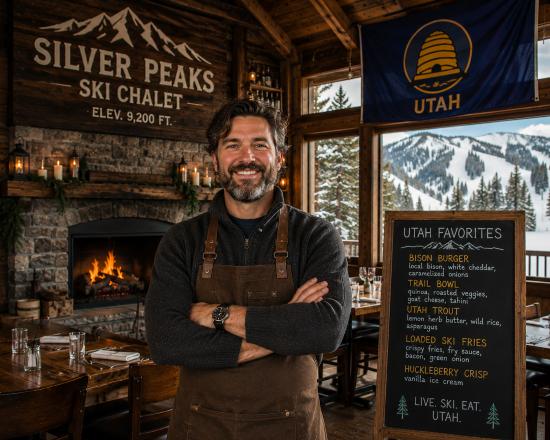
We know Park City's restaurant scene block by block
Park City's restaurant scene runs through Victorian-era brick buildings rebuilt after a real fire and a resort economy that must serve orders of magnitude more diners than its own population during festival season. Here's what we watch for across its districts.
Historic Main Street / Old Town
Dense Victorian-era brick and stone buildings rebuilt after the 1898 fire, with narrow alleys and century-old electrical and plumbing retrofits. Shared-wall construction and steep pedestrian traffic raise fire-spread and slip-and-fall exposure.
Park City Mountain Resort base area
Home to the largest connected ski area in the U.S. after a 2015 merger with Canyons. Heavy seasonal foot traffic and apres-ski crowds raise liquor liability and slip-and-fall exposure tied directly to snow and ice.
Deer Valley Resort corridor
A ski-in, ski-out, higher-end resort dining corridor. Valet operations and higher average liquor spend raise both auto and overserving liability considerations.
Kimball Junction / Snyderville Basin
The year-round, less-seasonal commercial area outside Old Town, serving locals more than tourists. Higher vehicle traffic and larger parking lots create a different liability profile than dense Old Town foot traffic.
Core coverage lines every Park City restaurant should evaluate
Restaurant insurance in Park City is a tailored bundle built around Utah law, local licensing, and your lease. Here's what actually protects Park City food service businesses.
General Liability Insurance
Protects against third-party bodily injury and property damage claims. Responds when guests slip, suffer foodborne illness, or get injured during delivery. Most landlords require $1M/$2M before lease signing.
Commercial Property Insurance
Covers your kitchen equipment, refrigeration and HVAC, tenant improvements, inventory, and business personal property against fire, equipment breakdown, and theft.
Business Owner's Policy (BOP)
Bundles general liability, commercial property, and business interruption into one package. Works best for single-unit restaurants with annual revenue under $3 million.
Liquor Liability Insurance
Protects restaurants serving alcohol from dram shop claims. Restaurants with liquor licenses typically must carry liquor liability coverage to maintain their permit.
Workers' Compensation Insurance
Covers medical expenses and lost wages for work-related injuries. Coverage requirements are set at the state level and apply to restaurants with employees.
Business Interruption Insurance
Replaces lost income and covers ongoing expenses when covered events force shutdowns or reduced capacity. Limits should reflect 3 to 6 months of net income plus fixed expenses.
What restaurant insurance typically costs in Park City
A rough range based on real Utah market data. Not a quote, just a starting point before you talk to an agent about your specific Park City location.
| Coverage Type | Typical Annual Range | Why It Varies in Park City |
|---|---|---|
| General Liability Insurance | $600–$1,800/yr | Scales with your landlord's required limits and Utah's dram shop cap under Utah Code § 32B-15-301. |
| Commercial Property w/ Earthquake Endorsement | $1,200–$4,000/yr | Standard property policies exclude earthquake coverage entirely. The Wasatch Front carries a real, USGS-modeled 43% probability of a M6.75+ quake within 50 years, and a separate endorsement typically adds 40% to 80% to your property premium. |
| Liquor Liability Insurance | $1,000–$3,500/yr | Utah's DABS restaurant license requires at least 70% of revenue from food sales, with liquor liability limits matching the state's $1 million per person / $2 million per occurrence dram shop damages cap. |
| Workers' Compensation | Payroll-class rated | Mandatory for Utah employers, priced by payroll and job classification rather than location. |
| Business Interruption / Seasonal Revenue | Rated by exposure | Sundance Film Festival draws tens of thousands of visitors into an 11-day window against a town of roughly 8,300 permanent residents, a real seasonal surge that changes what business-interruption and liability coverage actually needs to account for. |
| Full-Service w/ Alcohol, Bundled | $6,000–$15,000/yr | Wasatch Front and resort-corridor locations run higher given earthquake surcharges of 40 to 80 percent and seasonal business interruption exposure. |
Why Sundance requires its own occupancy permit, and why the 1898 fire still matters
Park City restaurant coverage has to account for a genuinely unique festival-driven occupancy rule and a real, dated fire that shaped the entire town, on top of Summit County Health Department's food safety permitting.
The 1898 fire started in a hotel kitchen and rebuilt the whole town
On June 19, 1898, a fire that started in the American Hotel's kitchen destroyed roughly 200 buildings, about 75% of Park City, causing over $1 million in damage with no fatalities. The town rebuilt in brick and stone within about 18 months, and that Victorian commercial architecture is exactly what still lines Main Street today, a genuine, ironic reminder of why kitchen fire suppression matters here.
Sundance requires a special occupancy permit most cities don't have
Businesses that convert into temporary branded venues during Sundance need a Temporary Change of Occupancy Administrative Permit from Park City's Planning Department, with real building, fire-safety, and crowd-management compliance requirements. Liquor licensing itself runs through Utah DABS, which also allows patrons as of a May 2026 rule change to carry alcohol between a bar and an adjacent restaurant under the same ownership.
How Sundance week changes liability planning for a Main Street restaurant
Park City's real population-to-visitor ratio during Sundance is a specific factor that a generic Utah policy doesn't fully account for.
You operate a restaurant on Historic Main Street during Sundance Film Festival week, when the town's population effectively multiplies for 11 days.
- The scale: Park City's roughly 8,300 permanent residents are joined by tens of thousands of festival visitors during Sundance, a genuine surge-capacity event most restaurant insurance programs aren't built around.
- The gap: A liability and liquor liability program sized for typical off-season traffic may not reflect the real overserving and crowd-density exposure of festival week.
- The fix: Coverage is reviewed against your restaurant's actual Sundance-week volume, and any temporary occupancy conversion is confirmed against the city's real permit requirement.
- The result: Coverage that matches what a Sundance week actually looks like for your restaurant.
This is exactly why Park City-specific coverage matters. A generic Utah policy doesn't automatically account for a seasonal surge this extreme.
Frequently asked questions
What insurance is required to open a restaurant in Park City, Utah?
Utah requires workers' compensation and general liability to meet most lease agreements, plus a food establishment permit through the Summit County Health Department. A liquor license through Utah DABS is required separately if you serve alcohol, and Park City restaurants converting to temporary venues during Sundance need a special occupancy permit.
Did the 1898 fire really start in a restaurant kitchen?
Yes. The Great Fire of June 19, 1898 started in the American Hotel's kitchen and destroyed roughly 200 buildings, about 75% of Park City, with no fatalities. The Victorian brick and stone buildings rebuilt afterward are exactly what still lines Main Street today.
How much does restaurant insurance cost in Park City, Utah?
Park City restaurant insurance typically runs $3,000 to $10,000+ a year, with liquor liability alone running $1,000-$3,500/yr given Utah DABS's minimum $1 million per-person requirement. Because Park City sees heavy snowfall and steep terrain, property policies often need specific endorsements for mountain drainage flood zones and heavy snow-load roof collapse risk that a standard policy wouldn't include. Seasonal payroll and revenue spikes during peak ski season can also shift your premium if your policy is calculated against active seasonal figures rather than an annual average.
How many people does Park City actually serve during Sundance?
A dramatic multiple of its own population. Park City has roughly 8,300 to 8,600 permanent residents, and Sundance alone has drawn over 85,000 in-person attendees in recent years within an 11-day window, a genuine surge-capacity story worth planning coverage around.
Does winter weather really affect Park City restaurant operations?
It can. The Utah Avalanche Center issues daily forecasts for the Park City area, with danger ratings that can reach 'considerable' above 8,000 feet during storm cycles, and real winter storms have closed ski lifts and roads, affecting staffing and delivery for area restaurants.
Get Park City restaurant coverage built around your actual location and seasonal exposure.
Tell us your concept and your Park City location. We'll put together the coverage that actually applies.
Get Your Free Quote →