



Slip and Fall Claims: The $50,000 Problem for Restaurants
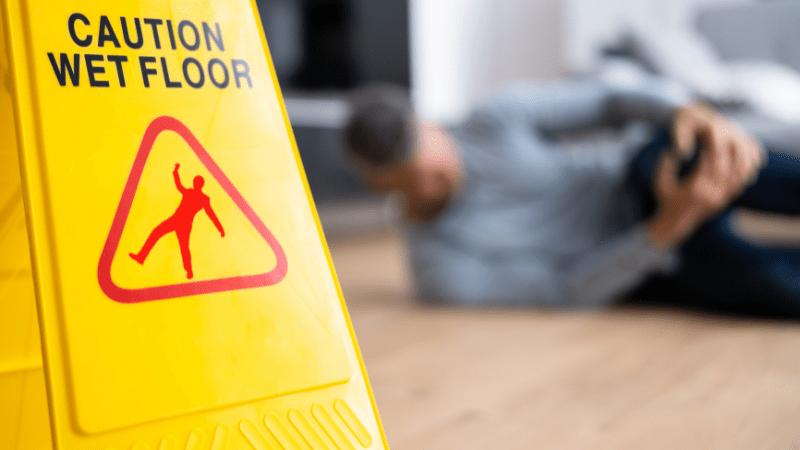
A customer slips on a wet floor in your restaurant. Within 48 hours, you receive a demand letter for medical expenses, lost wages, and pain and suffering. The average slip and fall claim against a restaurant settles for around $50,000, and litigation can push costs beyond $100,000.
This isn’t theoretical. Slip and fall incidents represent about 40% of all general liability claims in the food service industry. Your general liability insurance covers these claims, but only if you understand how coverage works and what triggers a denial.
Why Restaurants Face Higher Slip and Fall Risk
Restaurants create the perfect environment for slip and fall incidents through normal operations:
High-Traffic Wet Surfaces
- Kitchen floors remain wet from cleaning, food preparation, and dishwashing
- Entry areas collect rain, snow, and ice from customer foot traffic
- Restrooms accumulate water from handwashing and spills
- Bar areas face constant liquid exposure from drinks and ice
Operational Time Pressure
- Staff rush during peak hours, creating spill situations
- Cleaning happens during business hours while customers walk through
- Floor maintenance competes with service demands
- Warning signs get skipped when sections need immediate use
Diverse Customer Base
- Elderly customers face higher fall risk
- Children create unpredictable movement patterns
- Intoxicated patrons from bar service lose balance control
- Customers carry plates, drinks, and bags that block floor visibility
The Real Cost Structure of Slip and Fall Claims
Understanding claim costs helps you evaluate your coverage limits and retention strategy.
Immediate Medical Expenses
- Emergency room visit: $1,500 to $3,000
- Diagnostic imaging (X-rays, CT scans): $500 to $2,000
- Orthopedic consultation: $300 to $500
- Physical therapy (multiple sessions): $2,000 to $5,000
Extended Treatment Costs
- Surgery for fractures or torn ligaments: $15,000 to $40,000
- Hospital stay (2 to 5 days): $10,000 to $30,000
- Post-surgical rehabilitation: $5,000 to $15,000
- Long-term care for permanent injuries: $50,000+
Non-Medical Claim Components
- Lost wages during recovery: $5,000 to $20,000
- Pain and suffering multiplier: 2 to 5x medical costs
- Loss of future earning capacity: Variable
- Legal fees if the claim goes to trial: $30,000 to $100,000
How General Liability Coverage Responds
Your general liability insurance policy includes premises liability coverage that specifically addresses slip and fall claims. Here’s the response mechanism:
Coverage Trigger The policy activates when three conditions exist simultaneously:
- Bodily injury occurs on your premises
- The injury results from your negligence or a dangerous condition
- The injured party makes a claim during the policy period
Defense Coverage Your insurer provides legal defense regardless of claim merit. This includes:
- Attorney assignment and fees
- Expert witness costs
- Court filing fees and administrative costs
- Investigation and evidence gathering
- Settlement negotiation
Defense costs don’t reduce your coverage limit. A policy with $1 million per-occurrence limit provides that full amount for damages plus separate coverage for legal defense.
Settlement Authority Most policies give the insurance company authority to settle claims within policy limits. You typically cannot force the insurer to reject a reasonable settlement offer, even if you disagree with the claim’s validity.
Common Coverage Denial Triggers
Insurance companies deny slip and fall claims for specific, documented reasons:
Failure to Report Promptly
- Most policies require notice “as soon as practicable”
- Delays beyond 30 days trigger scrutiny
- Late reporting allows evidence to disappear and witnesses to forget details
- Missing the reporting window can void coverage completely
Prior Knowledge of Hazard
- You knew about the dangerous condition before the incident
- Documentation shows you ignored previous warnings or complaints
- Maintenance records prove you deferred necessary repairs
- Coverage excludes injuries from hazards you intentionally maintained
Intentional Acts or Gross Negligence
- You deliberately created the dangerous condition
- The situation shows reckless disregard for customer safety
- Pattern of behavior demonstrates willful negligence
- Courts may pierce coverage for truly egregious conduct
Policy Exclusions Apply
- Liquor liability exclusions for intoxicated patron falls (requires separate liquor liability coverage)
- Employee injury exclusions (covered under workers’ compensation instead)
- Known injury exclusions (claim existed before policy inception)
- Contract-assumed liability without proper endorsement
Prevention Strategies That Reduce Claims
Insurance companies offer premium discounts for documented safety programs. These measures also reduce your legal liability if incidents occur:
Floor Maintenance Protocol
- Immediate spill cleanup with 60-second response standard
- Non-slip mats in all high-risk areas
- Regular floor surface inspection and repair schedule
- Appropriate footwear requirements for staff
Warning System Implementation
- Wet floor signs deployed during and after cleaning
- Barrier system for areas undergoing maintenance
- Customer notification at entry during weather events
- Digital signage for temporary hazards
Documentation Standards
- Incident report completion within 2 hours
- Photographic evidence of scene and conditions
- Witness statement collection from staff and customers
- Maintenance log showing regular inspection and cleaning
Staff Training Requirements
- Quarterly safety training with documented attendance
- Hazard recognition and response procedures
- Proper cleaning technique and timing
- Customer interaction during incidents
Claims Process and Timeline
Understanding the process helps you manage claims effectively and work with your insurance carrier:
Days 1 to 3: Incident Report and Notification Contact your insurance agent immediately. Provide:
- Completed incident report
- Photographs of the location
- Witness contact information
- Customer’s initial account of events
Weeks 1 to 4: Investigation Phase The insurance adjuster will:
- Interview involved parties
- Inspect the premises
- Review maintenance records
- Evaluate liability and damages
Months 2 to 6: Negotiation Period Most claims settle during this window through:
- Medical record review
- Demand letter response
- Settlement discussions
- Possible mediation
Months 7 to 18: Litigation (If Necessary) If settlement fails:
- Lawsuit filing and service
- Discovery and depositions
- Expert witness preparation
- Trial or arbitration
Coverage Limit Considerations
Restaurant operators typically need higher premises liability limits than other retail businesses:
Minimum Recommended Coverage
- $1 million per occurrence
- $2 million general aggregate
- Higher limits for multi-location operations
Factors Requiring Increased Limits
- Annual revenue exceeding $1 million
- Alcohol service (overlaps with liquor liability)
- High-volume urban locations
- Older building with infrastructure challenges
- History of previous claims
Umbrella Policy Trigger When a single claim exceeds your general liability limit, umbrella coverage provides additional protection. Consider umbrella coverage if:
- Your restaurant generates $2 million+ in annual revenue
- You operate in a high-litigation jurisdiction
- Your building has known maintenance challenges
- You serve alcohol
Slip & Fall Risk Calculator
Calculate your restaurant's potential annual exposure to slip and fall claims
Working With Your Insurance Carrier
Effective carrier relationships reduce claim costs and prevent coverage disputes:
Pre-Claim Communication
- Annual policy review with your agent
- Documentation of safety improvements
- Discussion of operational changes that affect risk
- Proactive coverage adjustment for expansion or menu changes
During Claim Handling
- Immediate notification regardless of claim size
- Complete cooperation with adjuster requests
- No admission of fault to the claimant
- Document preservation and retention
Post-Claim Follow-Up
- Implementation of adjuster safety recommendations
- Premium impact discussion and mitigation strategies
- Coverage adjustment if claims reveal gaps
- Experience modification rate monitoring
Managing the $50,000 Risk
The $50,000 average slip and fall claim represents a material financial threat to restaurant operations. Your general liability insurance provides essential protection, but coverage requires understanding the policy structure, maintaining proper documentation, and implementing documented safety protocols.
Prevention reduces claims frequency. Prompt reporting and complete cooperation ensure coverage when incidents occur. Regular policy review with your insurance professional keeps your coverage aligned with your operational risk profile.
For comprehensive information about how general liability insurance protects your restaurant, visit our complete guide to general liability coverage.