




Restaurant Insurance in Harrisburg, Pennsylvania
If you're a Harrisburg restaurant owner searching for insurance that actually understands this city's real, repeated Susquehanna River flood history, an oldest-in-the-country public market rebuilding after a 2023 fire, and neighborhoods from Midtown to Shipoke, Insurance Kitchen builds coverage around that reality. Hurricane Agnes flooded Pennsylvania's own Governor's Residence in 1972, a documented benchmark for just how seriously Harrisburg restaurants near the river need to take flood coverage. We build Harrisburg restaurant coverage around your actual location and flood exposure.
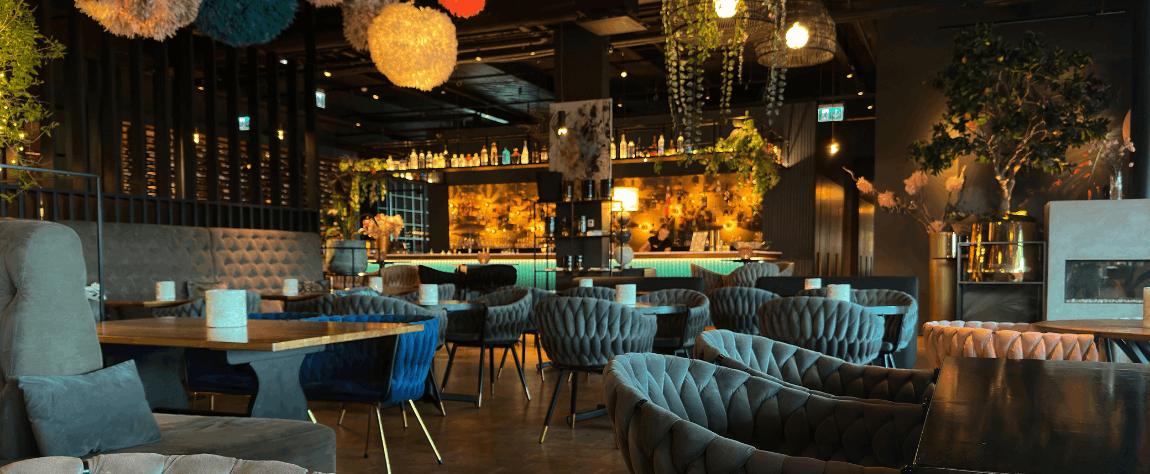
We know Harrisburg's restaurant scene block by block
Harrisburg sits directly on the Susquehanna River, and its restaurant map reflects both that river and the State Capitol next door. Here's what we watch for across its districts.
Downtown / Restaurant Row
The corridor near the State Capitol with the city's densest concentration of restaurants. Legislative-session foot traffic and event-driven crowds are a real, recurring factor here.
Midtown (Broad Street Market area)
Home to Broad Street Market, founded in 1860, America's oldest continuously operating market house, currently rebuilding after a serious July 2023 fire with a targeted 2027 reopening. Restaurants near an active rebuild zone face real, ongoing construction-adjacent property considerations.
Shipoke
A historic riverside neighborhood directly across from City Island, flooded badly during Hurricane Agnes in 1972. FirstStreet.org currently rates 242 Shipoke properties as major flood risk, a real, documented number for any restaurant here.
City Island
A recreational island in the Susquehanna hosting the annual Kipona Festival over Labor Day weekend. Large event crowds create real, seasonal liability exposure distinct from year-round operations.
Core coverage lines every Harrisburg restaurant should evaluate
Restaurant insurance in Harrisburg is a tailored bundle built around Pennsylvania law, local licensing, and your lease. Here's what actually protects Harrisburg food service businesses.
General Liability Insurance
Protects against third-party bodily injury and property damage claims. Responds when guests slip, suffer foodborne illness, or get injured during delivery. Most landlords require $1M/$2M before lease signing.
Commercial Property Insurance
Covers your kitchen equipment, refrigeration and HVAC, tenant improvements, inventory, and business personal property against fire, equipment breakdown, and theft.
Business Owner's Policy (BOP)
Bundles general liability, commercial property, and business interruption into one package. Works best for single-unit restaurants with annual revenue under $3 million.
Liquor Liability Insurance
Protects restaurants serving alcohol from dram shop claims. Restaurants with liquor licenses typically must carry liquor liability coverage to maintain their permit.
Workers' Compensation Insurance
Covers medical expenses and lost wages for work-related injuries. Coverage requirements are set at the state level and apply to restaurants with employees.
Business Interruption Insurance
Replaces lost income and covers ongoing expenses when covered events force shutdowns or reduced capacity. Limits should reflect 3 to 6 months of net income plus fixed expenses.
What restaurant insurance typically costs in Harrisburg
A rough range based on real Pennsylvania market data. Not a quote, just a starting point before you talk to an agent about your specific Harrisburg location.
| Coverage Type | Typical Annual Range | Why It Varies in Harrisburg |
|---|---|---|
| General Liability Insurance | $600–$1,800/yr | Scales with your landlord's required limits, standard at $1 million per occurrence and $2 million aggregate. |
| Commercial Property | $1,200–$4,500/yr | Harrisburg's Susquehanna River flood history, including three separate documented major floods, is a real factor in property premiums for any restaurant near the riverfront or on low-lying ground. |
| Liquor Liability Insurance | $1,200–$4,000/yr | Pennsylvania holds establishments strictly liable for alcohol-related incidents, and single dram shop claims can reach six-figure settlements. |
| Workers' Compensation | Payroll-class rated | Mandatory for every Pennsylvania employer with one or more employees, priced by payroll and job classification rather than location. |
| Food Truck | $2,500–$6,000/yr | A baseline for mobile food unit coverage, distinct from a fixed-location policy. |
| Full-Service w/ Alcohol, Bundled | $8,000–$15,000/yr | Urban Pennsylvania markets run about 10% higher due to landlord-required limits and liquor license scarcity. |
Why Harrisburg's flood history is measured in exact, documented feet
Harrisburg restaurant coverage has to account for three separate, precisely documented Susquehanna River floods and a historic market currently rebuilding, on top of Pennsylvania's statewide Department of Agriculture food safety framework.
Hurricane Agnes flooded the Governor's Residence itself
The Susquehanna River crested at 29.23 feet during the 1936 flood, 33.27 feet during Hurricane Agnes in 1972, and 25.17 feet during Tropical Storm Lee in 2011. Agnes was severe enough to flood the first floor of the Pennsylvania Governor's Residence, forcing an evacuation by boat, and caused a documented $2.3 billion in statewide damage. These are real, specific benchmarks for any Harrisburg restaurant near the river.
Broad Street Market is rebuilding after a real 2023 fire
Broad Street Market, founded in 1860, America's oldest continuously operating market house, suffered a serious fire in July 2023 and is still working toward a targeted 2027 reopening. Restaurants and vendors near an active, multi-year rebuild zone face genuinely different property and business-interruption considerations than a stable commercial corridor.
Shipoke's flood risk is independently rated, not just historical
FirstStreet.org currently rates 242 individual Shipoke properties as major flood risk, an independently published, address-level rating rather than a general floodplain guess. Restaurant food safety permitting in Dauphin County runs through the Pennsylvania Department of Agriculture.
How Shipoke's documented flood-risk rating actually affects coverage
Harrisburg's flood risk isn't a general assumption. It's measured, published, and specific to certain neighborhoods.
You're opening a restaurant in Shipoke, a historic riverside neighborhood directly across from City Island.
- The data: FirstStreet.org currently rates 242 individual Shipoke properties as major flood risk, a real, specific, published number for this exact neighborhood, not a generalized floodplain estimate.
- The history: Shipoke flooded significantly during Hurricane Agnes in 1972, part of a storm that also flooded the Governor's Residence and caused $2.3 billion in statewide damage.
- The fix: Property and business-interruption coverage are reviewed against your building's specific flood-risk rating and the Susquehanna's documented three-flood crest history, not a generic riverside assumption.
- The result: Coverage that reflects what Shipoke's own flood data actually shows.
This is exactly why Harrisburg-specific coverage matters. A generic Pennsylvania policy doesn't automatically account for flood risk this precisely documented.
Frequently asked questions
How much does restaurant insurance cost in Harrisburg, Pennsylvania?
A Harrisburg restaurant typically pays $2,500 to $15,000 a year depending on concept: a food truck runs $2,500-$6,000/yr, a small cafe without alcohol $3,600-$8,500/yr, and a full-service restaurant serving alcohol $8,000-$15,000+/yr given Pennsylvania's strict dram shop liability standard. Workers' compensation is mandatory from an owner's very first employee, and Pennsylvania restaurant claims average around $38,000, higher than the national average. Operating in high-foot-traffic downtown Harrisburg near the State Capitol typically carries higher property and liability rates than a suburban Dauphin County location, due to both rent value and localized claims history.
Did Hurricane Agnes really flood the Pennsylvania Governor's Residence?
Yes. Hurricane Agnes brought the Susquehanna River to a documented crest of 33.27 feet in 1972, severe enough to flood the first floor of the Governor's Residence itself and force an evacuation by boat. The storm caused a documented $2.3 billion in damage statewide, a genuine, extreme benchmark for river-adjacent property risk.
Is Broad Street Market still open after its 2023 fire?
Broad Street Market, founded in 1860 and America's oldest continuously operating market house, suffered a serious fire in July 2023 and is working toward a targeted 2027 reopening. Restaurants and vendors near the site should factor an active, multi-year rebuild zone into their property and business-interruption planning.
How much flood risk does a Shipoke restaurant actually face?
A meaningful, documented amount. FirstStreet.org currently rates 242 individual properties in Shipoke as major flood risk, and the neighborhood flooded significantly during Hurricane Agnes in 1972. This is a real, published number worth confirming directly against your specific address.
Does the Kipona Festival affect insurance needs for a City Island-area restaurant?
It can. The Kipona Festival draws large crowds to City Island every Labor Day weekend in its 109th-plus year running, and that kind of concentrated seasonal crowd is worth factoring into general liability and any event-specific coverage for restaurants near the island.
Get Harrisburg restaurant coverage built around your actual location and flood exposure.
Tell us your concept and your Harrisburg neighborhood. We'll put together the coverage that actually applies.
Get Your Free Quote →