




Restaurant Insurance in Newark, New Jersey
If you're a Newark restaurant owner searching for insurance that actually understands the Ironbound's real flood exposure, a genuine city-mandated outdoor dining insurance minimum, and neighborhoods from Downtown to Weequahic, Insurance Kitchen builds coverage around that reality. Roughly 40% of Newark sits in a FEMA floodplain, and Hurricane Ida's remnants flooded Ferry and Foundry Streets in the Ironbound in 2021 on the city's wettest day on record. We build Newark restaurant coverage around your actual neighborhood and flood exposure.
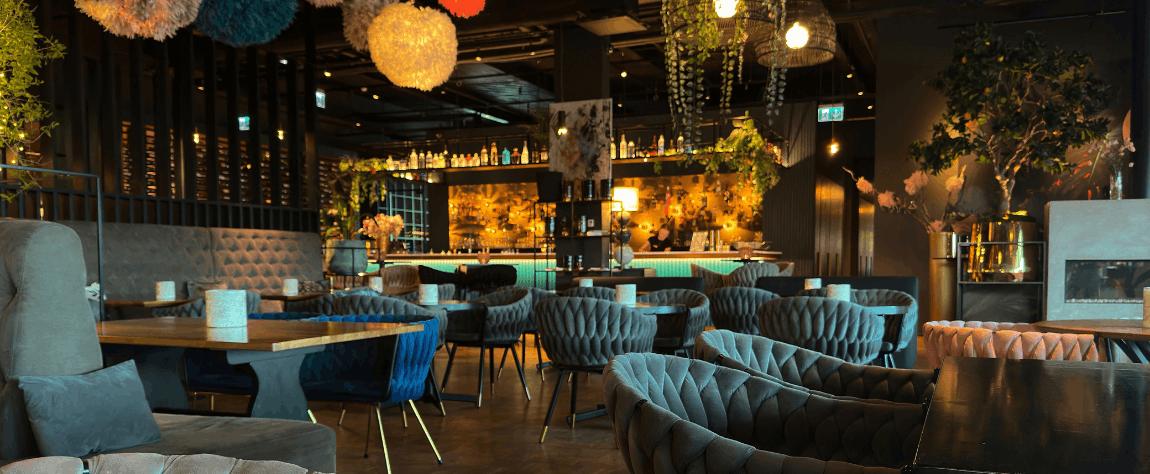
We know Newark's restaurant scene block by block
Newark's restaurant scene runs from a flood-prone riverside food district to a student-driven quick-service corridor. Here's what we watch for across its wards.
Ironbound (Down Neck)
Newark's best-known food district, built on a combined sewer system that floods during heavy rain. Hurricane Ida's remnants flooded Ferry and Foundry Streets here in 2021, and real annual festivals like Portugal Day and the Brazilian Day Festival add event-driven liability.
Downtown Newark
Anchored by the Prudential Center arena, which hosted the 2019 MTV VMAs, and NJPAC. Restaurant and bar demand here clusters around arena and theater event nights rather than a standalone nightlife strip.
Forest Hill Historic District
A state- and national-register historic district in the North Ward with older mansions and colonial-era homes. Historic-building code and renovation exposure applies to any restaurant buildout here.
Weequahic
A South Ward neighborhood with a designated historic district and the Olmsted Brothers-designed Weequahic Park. Its demographic and culinary identity has shifted significantly since its mid-20th-century era as a Jewish enclave.
University Heights / Halsey Street corridor
A dense fast-casual restaurant row serving the NJIT and Rutgers-Newark student population. High foot traffic and quick-service turnover create a different exposure than the Ironbound's sit-down restaurants.
Core coverage lines every Newark restaurant should evaluate
Restaurant insurance in Newark is a tailored bundle built around New Jersey law, local licensing, and your lease. Here's what actually protects Newark food service businesses.
General Liability Insurance
Protects against third-party bodily injury and property damage claims. Responds when guests slip, suffer foodborne illness, or get injured during delivery. Most landlords require $1M/$2M before lease signing.
Commercial Property Insurance
Covers your kitchen equipment, refrigeration and HVAC, tenant improvements, inventory, and business personal property against fire, equipment breakdown, and theft.
Business Owner's Policy (BOP)
Bundles general liability, commercial property, and business interruption into one package. Works best for single-unit restaurants with annual revenue under $3 million.
Liquor Liability Insurance
Protects restaurants serving alcohol from dram shop claims. Restaurants with liquor licenses typically must carry liquor liability coverage to maintain their permit.
Workers' Compensation Insurance
Covers medical expenses and lost wages for work-related injuries. Coverage requirements are set at the state level and apply to restaurants with employees.
Business Interruption Insurance
Replaces lost income and covers ongoing expenses when covered events force shutdowns or reduced capacity. Limits should reflect 3 to 6 months of net income plus fixed expenses.
What restaurant insurance typically costs in Newark
A rough range based on real New Jersey market data. Not a quote, just a starting point before you talk to an agent about your specific Newark location.
| Coverage Type | Typical Annual Range | Why It Varies in Newark |
|---|---|---|
| General Liability Insurance | $700–$2,000/yr | Scales with your landlord's required limits and your building's age, especially in New Jersey's older urban downtown corridors. |
| Liquor Liability Insurance | $1,200–$4,000/yr | New Jersey caps retail-consumption liquor licenses at one per 3,000 residents, a scarcity that has pushed resale prices to a $350,000 statewide average and as high as $1.8 million, making license protection and liquor liability limits both matter. |
| Commercial Property w/ Flood Endorsement | $1,500–$5,000/yr | Roughly 40% of Newark sits in a FEMA floodplain, and the Ironbound's combined sewer system floods regularly during heavy rain, a real, documented factor for property coverage in the district. |
| Workers' Compensation | Payroll-class rated | Required for virtually all New Jersey employers regardless of headcount, priced by payroll and job classification. |
| Business Interruption / Named-Storm Coverage | Rated by exposure | Coastal and riverfront New Jersey cities face real named-storm and flood-related closure risk most inland restaurants don't carry. |
| Full-Service w/ Liquor License, Bundled | $7,000–$16,000/yr | Waterfront or flood-zone locations should budget toward the higher end given New Jersey's documented storm history; a scarce liquor license itself is a real asset worth insuring. |
Why Newark's own outdoor dining ordinance sets a real insurance minimum
Newark restaurant coverage has to account for a real, ordinance-mandated insurance minimum and documented flood exposure, on top of New Jersey's Division of Alcoholic Beverage Control's statewide liquor licensing.
Newark's outdoor dining ordinance requires real, specific coverage
City Ordinance 21-0992 governs "StrEateries," parklets, and outdoor dining structures, and it requires a $1,000,000/$2,000,000 commercial general liability policy naming the City of Newark as additional insured, on top of application fees and distance restrictions from hydrants and crosswalks. This is a real, checkable local requirement, not a generic outdoor-dining suggestion.
New Jersey's liquor license scarcity is real and expensive
Since 1947, New Jersey has capped retail-consumption liquor licenses at one per 3,000 residents, a scarcity that has pushed statewide resale prices to a documented $350,000 average, with some licenses trading as high as $1.8 million. Confirm your restaurant's food and liquor licensing directly with the City of Newark Food & Drug Bureau, which licenses and inspects Newark restaurants under New Jersey's statewide sanitary code.
How Newark's outdoor dining ordinance sets your actual coverage minimum
Newark's real, ordinance-mandated insurance requirement is a specific factor a generic New Jersey policy doesn't automatically satisfy.
You're opening outdoor seating, a parklet, or a StrEatery structure for your Newark restaurant.
- The rule: City Ordinance 21-0992 requires a $1,000,000/$2,000,000 commercial general liability policy naming the City of Newark as additional insured before your outdoor dining permit is approved.
- The gap: A standard restaurant GL policy may not already list the correct additional-insured language the city's permitting office requires.
- The fix: Your policy is confirmed against the ordinance's actual limits and additional-insured requirement before you submit your permit application.
- The result: An outdoor dining setup that clears Newark's permitting office the first time, without a coverage-language delay.
This is exactly why Newark-specific coverage matters. A generic New Jersey policy doesn't automatically satisfy a named-insured requirement this specific to one city's ordinance.
Frequently asked questions
How much does restaurant insurance cost in Newark, New Jersey?
Most Newark restaurants pay between $3,000 and $12,000 per year for a full insurance package, with larger venues or full bars scaling toward $15,000 to $30,000+. A Business Owner's Policy bundling general liability and property runs $180 to $245 per month ($2,000 to $4,300 per year); standalone general liability runs $44 to $125 per month ($500 to $2,000 per year). Workers' compensation, mandatory in New Jersey, is priced around $2.13 per $100 of payroll under the standard restaurant class code. Liquor liability runs $41 to $85 per month ($400 to $2,000 per year) and carries extra weight here because New Jersey's dram shop laws are unusually strict, so a restaurant with a bar should expect liquor coverage to be one of its largest line items.
Does Newark really require specific insurance for outdoor dining?
Yes. City Ordinance 21-0992 requires a $1,000,000/$2,000,000 commercial general liability policy naming the City of Newark as additional insured for StrEateries, parklets, and other outdoor dining structures, a real, checkable local requirement on top of application fees.
Is the Ironbound's flood risk really that significant?
Yes. Roughly 40% of Newark sits within a FEMA floodplain, and the Ironbound's combined sewer system, which routes stormwater and wastewater through the same pipes, floods regularly during heavy rain. Hurricane Ida's remnants flooded Ferry and Foundry Streets there in 2021 on Newark's wettest day on record.
How scarce are liquor licenses in New Jersey really?
Genuinely scarce. New Jersey has capped retail-consumption liquor licenses at one per 3,000 residents since 1947. That scarcity has pushed the statewide average resale price to about $350,000, with the priciest licenses trading as high as $1.8 million.
Who actually licenses a restaurant in Newark, the city or Essex County?
The city. Newark runs its own health department, and its Food & Drug Bureau, not Essex County, licenses and inspects restaurants, delis, and mobile food units under New Jersey's statewide sanitary code (N.J.A.C. Chapter 24).
Get Newark restaurant coverage built around your actual neighborhood and flood exposure.
Tell us your concept and your Newark neighborhood. We'll put together the coverage that actually applies.
Get Your Free Quote →