




Restaurant Insurance in Reno, Nevada
If you're a Reno restaurant owner searching for insurance that actually understands the city's real, documented 1997 flood history, a genuine dual-legalization origin story, and neighborhoods from the Riverwalk to Midtown, Insurance Kitchen builds coverage around that reality. The January 1997 flood sent the Truckee River to a record 14.7-foot crest, causing an estimated $450 million to $680 million in damage and closing the airport for days. We build Reno restaurant coverage around your actual location and flood exposure.
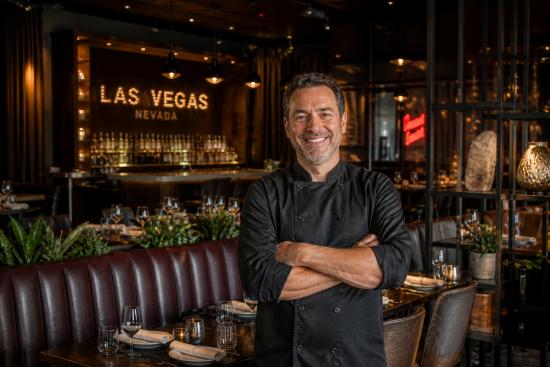
We know Reno's restaurant scene block by block
Reno's restaurant scene runs along a river with a real, well-documented flood history and through a downtown born from the same 1931 legislative session that legalized gambling and loosened divorce law together. Here's what we watch for across its districts.
Downtown Reno casino corridor
Anchored by the historic Reno Arch on Virginia Street, a gaming district dating to Nevada's 1931 legalization. High-volume, round-the-clock alcohol service raises liquor liability and slip-and-fall exposure.
Riverwalk District
A roughly 3.5-mile stretch of restaurants and shops directly along the Truckee River, home to Wingfield Park events. The Truckee River has a real, documented major flood history worth reflecting in property coverage.
Midtown District
An independent restaurant and bar cluster occupying older, adaptively reused buildings. Older-building property and equipment-breakdown risk applies here differently than newer suburban construction.
University of Nevada, Reno-adjacent area
Restaurants near a campus with over 20,000 students face liquor liability exposure tied specifically to underage-service risk, the one real exception to Nevada's broad dram shop immunity.
Core coverage lines every Reno restaurant should evaluate
Restaurant insurance in Reno is a tailored bundle built around Nevada law, local licensing, and your lease. Here's what actually protects Reno food service businesses.
General Liability Insurance
Protects against third-party bodily injury and property damage claims. Responds when guests slip, suffer foodborne illness, or get injured during delivery. Most landlords require $1M/$2M before lease signing.
Commercial Property Insurance
Covers your kitchen equipment, refrigeration and HVAC, tenant improvements, inventory, and business personal property against fire, equipment breakdown, and theft.
Business Owner's Policy (BOP)
Bundles general liability, commercial property, and business interruption into one package. Works best for single-unit restaurants with annual revenue under $3 million.
Liquor Liability Insurance
Protects restaurants serving alcohol from dram shop claims. Restaurants with liquor licenses typically must carry liquor liability coverage to maintain their permit.
Workers' Compensation Insurance
Covers medical expenses and lost wages for work-related injuries. Coverage requirements are set at the state level and apply to restaurants with employees.
Business Interruption Insurance
Replaces lost income and covers ongoing expenses when covered events force shutdowns or reduced capacity. Limits should reflect 3 to 6 months of net income plus fixed expenses.
What restaurant insurance typically costs in Reno
A rough range based on real Nevada market data. Not a quote, just a starting point before you talk to an agent about your specific Reno location.
| Coverage Type | Typical Annual Range | Why It Varies in Reno |
|---|---|---|
| General Liability Insurance | $500–$1,500/yr | Scales with your landlord's required limits. Nevada's dram shop immunity under NRS 41.1305 changes the liquor liability calculus, but general liability still applies for premises and food-safety exposure. |
| Commercial Property | $1,000–$3,500/yr | The January 1997 flood sent the Truckee River to a record 14.7-foot crest, causing an estimated $450 million to $680 million in damage across the Reno area, a real benchmark for river-adjacent property risk. |
| Liquor Liability Insurance | $800–$2,500/yr | Nevada has no dram shop liability for serving adults 21 and older under NRS 41.1305, the broadest alcohol immunity in the country. Liability still applies for serving minors. |
| Workers' Compensation | Payroll-class rated | Mandatory from your first employee. A 50% alcohol-sales threshold reclassifies a restaurant to bar workers' comp class codes, and Nevada caps the payroll base per employee at $36,000 for premium calculation. |
| EPLI / No-Tip-Credit Payroll Exposure | Rated by exposure | Nevada allows no tip credit anywhere in the state, requiring every tipped employee to receive the full $12.00 minimum wage, a real factor in payroll-driven liability underwriting. |
| Full-Service / Casino-Adjacent, Bundled | $3,000–$35,000/yr | Standard independent restaurants pay toward the lower end. High-volume Las Vegas entertainment district and casino-adjacent operations with large umbrella requirements run substantially higher. |
Why the 1997 flood is a real benchmark for Reno property risk
Reno restaurant coverage has to account for a genuinely severe, documented flood event and Nevada's broad alcohol liability immunity, on top of Northern Nevada Public Health's food safety permitting.
The January 1997 flood remains a real, documented benchmark
The Truckee River crested at a record 14.7 feet on January 2, 1997, breaking the prior 1950 record, and caused an estimated $450 million to $680 million in damage. Downtown Reno streets saw up to four feet of water, several casinos never reopened afterward, and the airport closed, stranding roughly 1,000 tourists. Regional flood planners estimate a repeat event today could cause $2.5 billion in damage, a real, modeled risk worth reflecting in property coverage.
Nevada's gaming and divorce laws were legalized together in 1931
Nevada's March 19, 1931 legislative session both legalized open gambling and loosened divorce residency requirements in the same window, directly explaining Reno's whole hospitality-economy origin story. Liquor licensing today runs through City of Reno, coordinated regionally with Sparks and Washoe County.
How the Truckee River's flood history affects a Riverwalk restaurant's property coverage
Reno's real, documented flood history is a specific factor that a generic Nevada policy doesn't fully account for.
You're opening a restaurant along the Riverwalk District, directly adjacent to a river with a real, dated flood record.
- The history: The Truckee River crested at a record 14.7 feet in January 1997, causing an estimated $450 million to $680 million in damage and flooding downtown Reno streets up to four feet deep.
- The gap: A property policy priced without confirming current flood-zone status may understate real risk for a specific Riverwalk-adjacent address.
- The fix: Property and business-interruption coverage are reviewed against your building's actual flood-zone designation and this real, documented history.
- The result: Coverage that reflects what the Truckee River has actually done before.
This is exactly why Reno-specific coverage matters. A generic Nevada policy doesn't automatically account for flood risk this severe and this well documented.
Frequently asked questions
What insurance is required to open a restaurant in Reno, Nevada?
Nevada requires workers' compensation from your first employee, general liability to meet most lease agreements, and a food establishment permit through Northern Nevada Public Health, formerly known as the Washoe County Health District. A liquor license through the City of Reno is required separately if you serve alcohol.
How severe was Reno's 1997 flood, really?
Genuinely severe. The Truckee River crested at a record 14.7 feet on January 2, 1997, causing an estimated $450 million to $680 million in damage, flooding downtown streets up to four feet deep, and closing the airport for days. It remains the region's benchmark flood event.
How much does restaurant insurance cost in Reno, Nevada?
Reno restaurants typically pay $2,000 to $10,000 a year for comprehensive coverage, with a baseline small-to-mid-sized operation running $3,000-$4,000/yr. Nevada mandates workers' compensation from an owner's very first employee, and a high-volume bar scene in downtown Reno or the Midtown District carries meaningfully higher liquor liability exposure than a family-style restaurant, since liquor liability premiums scale directly with alcohol's share of total sales.
Does switching from a family restaurant to a late-night bar model actually change insurance costs in Reno?
Yes, substantially. Local underwriting data shows liquor liability premiums can jump from around $40/month for a restaurant with modest beer and wine sales to $215+/month once an establishment's alcohol sales push it into bar or tavern territory. It's a real cost cliff worth planning for before committing to a late-night, alcohol-forward concept rather than a traditional dinner-focused restaurant.
Does Nevada's lack of dram shop liability apply the same way in Reno as Las Vegas?
Yes. NRS 41.1305 is a statewide law, so Reno restaurants get the same broad immunity for serving adults 21 and older that applies everywhere in Nevada, with the same narrow exception for knowingly serving a minor.
Get Reno restaurant coverage built around your actual location and flood exposure.
Tell us your concept and your Reno neighborhood. We'll put together the coverage that actually applies.
Get Your Free Quote →