




Restaurant Insurance in Kansas City, Missouri
If you're a Kansas City restaurant owner searching for insurance that actually understands the real flood history where the Kansas and Missouri Rivers meet, the documented liability concentration in dense entertainment districts, and a barbecue scene 100+ restaurants deep, Insurance Kitchen builds coverage around that reality. Kansas City's 1951 "Black Friday" flood caused a documented $425 million in damage to the West Bottoms, Argentine, and Armourdale. We build Kansas City restaurant coverage around your actual neighborhood and real river exposure.
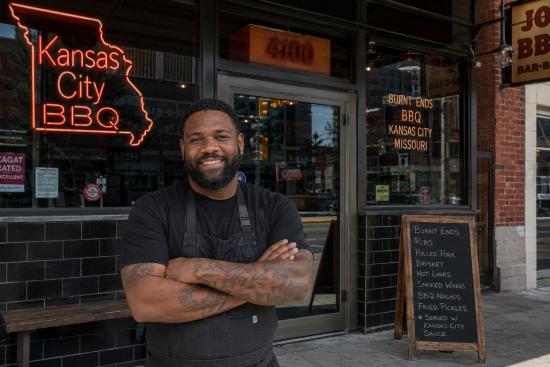
We know Kansas City's restaurant scene block by block
Kansas City's restaurant scene runs from a 1857 riverside market to a converted warehouse arts district, with real, documented liability concentration in its densest nightlife corridors. Here's what we watch for across its neighborhoods.
River Market
Home to the historic City Market, established 1857 as one of the oldest public markets in the country, sitting along the Missouri River in a documented floodplain, real, ongoing flood exposure distinct from the dry uplands most of the metro sits on.
Westport
Kansas City's oldest neighborhood, founded in the 1830s as a trading post predating the city itself, now a dense entertainment strip. Recent, documented nightlife-area violence, including a May 2024 shooting near Westport Road and Broadway, underscores the real liquor-liability and premises-security exposure bars and restaurants carry here.
Power & Light District
Opened in 2007-2008 as a dense, purpose-built entertainment district. A documented August 2025 shooting near 13th and Grand shows the real liability concentration that comes with a compact cluster of liquor-licensed venues.
Crossroads Arts District
Formally named in 1999 after artists began repurposing old warehouse and storage buildings starting in the 1980s. Monthly First Fridays events now draw thousands downtown, and the older industrial building stock carries real adaptive-reuse property risk.
18th & Vine
The 18th and Vine Historic District was listed on the National Register in 1991 (35 contributing buildings), and its Mutual Musicians Foundation building holds the higher-tier National Historic Landmark designation from 1981, the real birthplace of KC's barbecue tradition, where Henry Perry began smoking meats from an alley stand in 1908.
Core coverage lines every Kansas City restaurant should evaluate
Restaurant insurance in Kansas City is a tailored bundle built around Missouri law, local licensing, and your lease. Here's what actually protects Kansas City food service businesses.
General Liability Insurance
Protects against third-party bodily injury and property damage claims. Responds when guests slip, suffer foodborne illness, or get injured during delivery. Most landlords require $1M/$2M before lease signing.
Commercial Property Insurance
Covers your kitchen equipment, refrigeration and HVAC, tenant improvements, inventory, and business personal property against fire, equipment breakdown, and theft.
Business Owner's Policy (BOP)
Bundles general liability, commercial property, and business interruption into one package. Works best for single-unit restaurants with annual revenue under $3 million.
Liquor Liability Insurance
Protects restaurants serving alcohol from dram shop claims. Missouri restaurants with by-the-drink licenses typically must carry liquor liability coverage to maintain their permit.
Workers' Compensation Insurance
Covers medical expenses and lost wages for work-related injuries. Missouri requires coverage once a restaurant employs 5 or more workers.
Business Interruption Insurance
Replaces lost income and covers ongoing expenses when covered events force shutdowns or reduced capacity. Limits should reflect 3 to 6 months of net income plus fixed expenses.
What restaurant insurance typically costs in Kansas City
A rough range based on real Missouri market data. Not a quote, just a starting point before you talk to an agent about your specific Kansas City location.
| Coverage Type | Typical Annual Range | Why It Varies |
|---|---|---|
| General Liability Insurance | $700–$2,000/yr | Scales with your landlord's required limits and your building's age, especially in converted-warehouse districts like the Crossroads. |
| Liquor Liability Insurance | $1,200–$4,000/yr | RSMo § 537.053's clear-and-convincing dram shop standard applies statewide, and dense entertainment corridors like Westport and the Power & Light District carry real, documented concentration risk. |
| Commercial Property w/ Flood Endorsement | $1,500–$5,000/yr | Standard property policies exclude flood damage; Kansas City's 1951 "Black Friday" flood caused $425 million in documented damage to the West Bottoms, Argentine, and Armourdale, and River Market itself sits in a Missouri River floodplain. |
| Workers' Compensation | Payroll-class rated | Required once a Kansas City restaurant employs 5 or more workers under Missouri's statewide threshold. |
| Business Interruption Insurance | Rated by exposure | Covers lost revenue during flooding, severe storms, or extended closures tied to the metro's documented tornado history. |
| Full-Service w/ Liquor License, Bundled | $7,000–$16,000/yr | Restaurants in flood-prone riverfront corridors or dense entertainment districts should budget toward the higher end. |
Why Kansas City's rivers and entertainment-district density change what your policy needs to do
Kansas City restaurant coverage has to account for real, documented river-flood risk and genuine liability concentration in its densest nightlife corridors, on top of Missouri's statewide RSMo § 537.053 dram shop standard.
The 1951 flood still shapes Kansas City's flood-risk map
On July 13, 1951, the Kansas River crested 14 feet above flood stage where it meets the Missouri River, flooding the West Bottoms, Argentine, and Armourdale and causing $425 million in documented damage, per the National Weather Service's own flood report, it destroyed KC's stockyards and meatpacking industry outright. River Market's own riverside location, home to the 1857 City Market, sits in the same general floodplain.
Kansas City's entertainment districts carry real, documented concentration risk
Dense nightlife corridors like Westport and the Power & Light District have seen recent, documented violent incidents tied to their concentrated liquor-licensed foot traffic, including an August 2025 shooting near Power & Light reported by KCTV5, a real premises-liability and liquor-liability factor that scales with how tightly packed a district's bars and restaurants are.
Spring floodwater from the Missouri River corridor reaches your River Market-area restaurant during peak season.
A closer look at how Kansas City's real, documented risk factors actually play out.
Spring floodwater from the Missouri River corridor reaches your River Market-area restaurant during peak season.
- The flood: Floodwater from the Missouri River corridor damages your dining room and kitchen, a loss excluded from standard commercial property and covered only by a separate flood policy with its own waiting period.
- The spoilage: Extended closure and any related power loss spoil walk-in and freezer inventory, triggering a separate food contamination and spoilage claim.
- The closure: Cleanup and rebuilding force a closure, business interruption coverage attached to the flood policy replaces lost revenue during that period.
- The coordinated response: Flood, spoilage, and business interruption claims are reviewed together, and you confirm whether other Kansas City locations near Westport or Power & Light carry liquor liability limits sized to their own nightlife-district exposure.
This is exactly why Kansas City-specific coverage matters. A generic Missouri policy doesn't automatically account for flood risk this concentrated or entertainment-district liability this dense.
Frequently asked questions
How real is Kansas City's flood risk for restaurants?
Genuinely real and documented. On July 13, 1951, the Kansas River crested 14 feet above flood stage, flooding the West Bottoms, Argentine, and Armourdale and causing $425 million in documented damage, destroying the city's stockyards and meatpacking industry. River Market's own riverside setting, home to the 1857 City Market, sits in the same general Missouri River floodplain.
What is Missouri's dram shop law and how does it apply in Kansas City's entertainment districts?
RSMo § 537.053 requires clear and convincing evidence that a business knowingly served a visibly intoxicated patron or a minor, with no statutory damages cap once proven. Dense entertainment corridors like Westport and the Power & Light District, which have seen recent, documented nightlife-area violence, carry real, elevated liquor-liability concentration on top of that statewide standard.
What insurance does Kansas City require for sidewalk or street-café dining?
Kansas City's street-café, sidewalk-café, and parklet permit program requires a certificate of insurance and an indemnification agreement as part of permit approval, administered through KCMO Public Works.
Does Missouri require workers' compensation for Kansas City restaurants?
Yes, once a restaurant employs 5 or more workers, Missouri's statewide workers' compensation threshold.
Do Kansas City's wood-fired barbecue smokers affect commercial property insurance costs?
Yes. Operating large wood-fired smokers, pits, or rotisseries, standard equipment for Kansas City's barbecue scene, raises a restaurant's property fire-risk rating and pushes commercial property premiums into a higher tier than a comparable kitchen using only standard ranges and ovens. Carriers pricing a Kansas City barbecue restaurant typically look closely at hood-and-suppression-system maintenance records and grease-trap cleaning schedules specifically because of that elevated open-flame exposure, and keeping those records current is one of the more effective ways to keep the property premium down.
Get Kansas City restaurant coverage built around your actual neighborhood and real local risk.
Tell us your concept and your Kansas City neighborhood. We'll put together the coverage that actually applies.
Get Your Free Quote →