




Restaurant Insurance in Lansing, Michigan
If you're a Lansing restaurant owner searching for insurance that actually understands Michigan's real social-district open-container law, a documented Grand River flood history, and neighborhoods from Old Town to REO Town, Insurance Kitchen builds coverage around that reality. Lansing's three official Social Districts let patrons legally carry alcohol between participating businesses, a genuinely distinctive liquor liability factor most states don't have at all. We build Lansing restaurant coverage around your actual district and flood exposure.
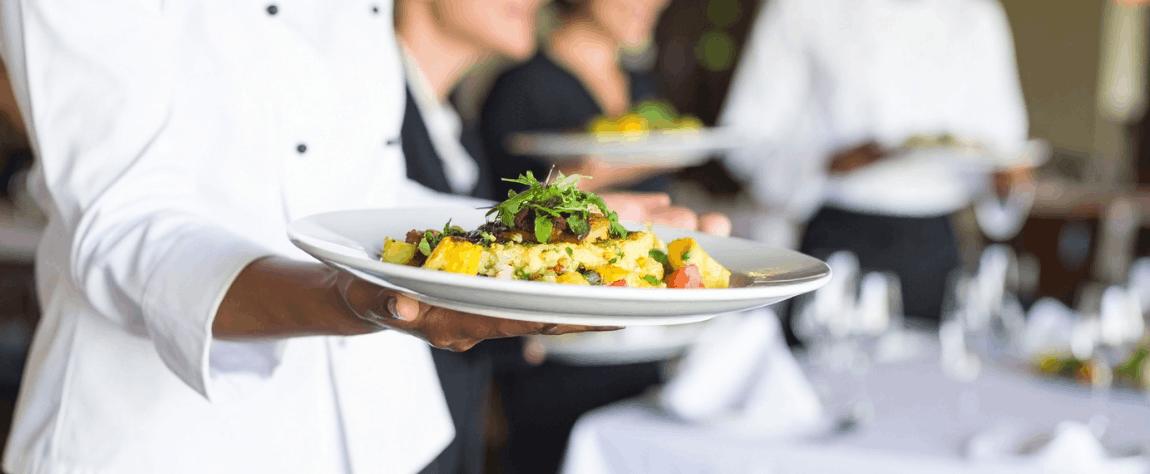
We know Lansing's restaurant scene block by block
Lansing's restaurant scene runs through a historic market town, a converted automotive-industry district, and the state capitol's own backyard. Here's what we watch for across its districts.
Old Town Lansing
A National Register-listed historic commercial district tracing to Lansing's original 19th-century town center, and one of the city's three official Social Districts. Older Victorian-era buildings and shared-zone liquor liability apply together here.
REO Town
Named for the REO Motor Car Company, founded by Ransom E. Olds in 1904, whose factory complex once sat here. Restaurants in converted industrial buildings face former-industrial-site and retrofit-code considerations, plus Social District liquor liability.
Downtown / Capitol area
Home to the Michigan State Capitol. Sidewalk seating touching state highway right-of-way near the Capitol can require supplementary approval beyond standard city permitting.
East Lansing / MSU campus-adjacent
Bordering Michigan State University's Spartan Stadium, with an official capacity of 74,866. Concentrated game-day crowds create real, seasonal overserving and occupancy exposure.
Core coverage lines every Lansing restaurant should evaluate
Restaurant insurance in Lansing is a tailored bundle built around Michigan law, local licensing, and your lease. Here's what actually protects Lansing food service businesses.
General Liability Insurance
Protects against third-party bodily injury and property damage claims. Responds when guests slip, suffer foodborne illness, or get injured during delivery. Most landlords require $1M/$2M before lease signing.
Commercial Property Insurance
Covers your kitchen equipment, refrigeration and HVAC, tenant improvements, inventory, and business personal property against fire, equipment breakdown, and theft.
Business Owner's Policy (BOP)
Bundles general liability, commercial property, and business interruption into one package. Works best for single-unit restaurants with annual revenue under $3 million.
Liquor Liability Insurance
Protects restaurants serving alcohol from dram shop claims. Restaurants with liquor licenses typically must carry liquor liability coverage to maintain their permit.
Workers' Compensation Insurance
Covers medical expenses and lost wages for work-related injuries. Coverage requirements are set at the state level and apply to restaurants with employees.
Business Interruption Insurance
Replaces lost income and covers ongoing expenses when covered events force shutdowns or reduced capacity. Limits should reflect 3 to 6 months of net income plus fixed expenses.
What restaurant insurance typically costs in Lansing
A rough range based on real Michigan market data. Not a quote, just a starting point before you talk to an agent about your specific Lansing location.
| Coverage Type | Typical Annual Range | Why It Varies in Lansing |
|---|---|---|
| General Liability Insurance | $500–$1,500/yr | Scales with your landlord's required limits, standard at $1 million per occurrence and $2 million aggregate. |
| Commercial Property | $1,000–$4,000/yr | Depends on your building's age and construction. Michigan's harsh winters add real freeze/burst-pipe and roof-load exposure that newer, well-maintained buildings handle better than older ones. |
| Liquor Liability Insurance | $1,000–$3,500/yr | Restaurants in Lansing's Old Town, Downtown, or REO Town Social Districts carry liquor liability exposure that extends to patrons carrying drinks between participating businesses, a real factor worth reviewing with your agent. |
| Workers' Compensation | Payroll-class rated | Mandatory once a Michigan restaurant reaches three or more employees, a genuinely higher threshold than most states, priced by payroll and job classification. |
| Food Truck | $2,000–$6,000/yr | A baseline for mobile food unit coverage, distinct from a fixed-location policy. |
| Full-Service w/ Liquor, Bundled | $8,000–$15,000/yr | Restaurant groups with 3 or more locations typically save 15% to 25% on total insurance costs by bundling coverage instead of insuring each location separately. |
Why Lansing's Social Districts change how liquor liability actually works
Lansing restaurant coverage has to account for Michigan's real social-district open-container law and a documented Grand River flood history, on top of the Ingham County Health Department's food safety permitting.
Michigan's Social Districts let patrons carry drinks between businesses
Under Michigan's Social District law (MCL 436.1551), Lansing has designated three official districts, Downtown, Old Town, and REO Town, where patrons can legally carry alcohol purchased from a participating restaurant or bar into a shared outdoor common area and between businesses within it. Confirm whether your address sits inside one of these districts before assuming standard on-premises-only liquor rules apply.
The Grand River has a real, documented flood history in Lansing
Roughly 9% of Lansing sits within the floodplain of three rivers including the Grand River, covering about 1,200 homes and 200-plus other structures. The Grand River crested at 21.85 feet during an April 2013 flood. Restaurants in Old Town or REO Town, both near the river, should confirm current flood-zone status directly, and confirm licensing steps with the City of Lansing.
How a Social District changes liquor liability for an Old Town restaurant
Lansing's Social District framework is a real, specific factor that a generic Michigan policy doesn't account for.
You're opening a restaurant in Old Town Lansing, inside one of the city's three designated Social Districts.
- The framework: Under Michigan's Social District law, a patron can buy a drink from your restaurant in an approved container and legally carry it into the shared outdoor common area, then into another participating business within the same district.
- The gap: A liquor liability policy assumed to cover only on-premises service may not reflect that your beverage can travel with a patron beyond your own doors within the district.
- The fix: Liquor liability coverage is reviewed against your specific Social District's actual boundaries and hours, not a generic on-premises-only assumption.
- The result: Coverage that matches how alcohol service actually works in Old Town.
This is exactly why Lansing-specific coverage matters. A generic Michigan policy doesn't automatically account for a liquor framework this locally distinctive.
Frequently asked questions
What insurance is required to open a restaurant in Lansing, Michigan?
Michigan requires workers' compensation once a restaurant reaches three or more employees, general liability to meet most lease agreements, and a food service license through the Ingham County Health Department. A City of Lansing liquor license is required separately if you serve alcohol.
What is a Social District, and does Lansing really have one?
Yes. Under Michigan's Social District law, Lansing has designated three official districts, Downtown, Old Town, and REO Town, where patrons can legally carry alcohol purchased from a participating business into a shared outdoor common area and between businesses within it, a real, distinctly Michigan liquor framework.
How significant is Grand River flood risk in Lansing?
Real and documented. Roughly 9% of Lansing sits within the floodplain of three rivers including the Grand River, covering about 1,200 homes. The river crested at 21.85 feet during an April 2013 flood. Restaurants in Old Town or REO Town should confirm current flood-zone status.
How much does restaurant insurance cost in Lansing, Michigan?
A small Lansing cafe or bakery typically runs $3,000 to $5,000 a year, a fast-casual restaurant $5,000-$9,000/yr, and a full-service restaurant with a bar $8,000-$15,000+/yr. Workers' compensation, mandatory at 3 or more employees, is priced around $0.82 per $100 of payroll. Michigan's harsh winters are a real, priced-in cost driver too: insurers factor in frozen-pipe bursts and roof stress from snow load, which is why most Lansing operators add a Spoilage & Equipment Breakdown endorsement to protect against a walk-in cooler failure or power-grid outage.
Does a restaurant near the Michigan Capitol have extra permitting steps?
It can. Sidewalk seating that touches state highway right-of-way near the Capitol may require supplementary approval beyond the standard city Public Right-of-Way permit, a detail worth confirming with the city before finalizing an outdoor dining buildout downtown.
Get Lansing restaurant coverage built around your actual district and flood exposure.
Tell us your concept and your Lansing neighborhood. We'll put together the coverage that actually applies.
Get Your Free Quote →