


Michigan Restaurant Insurance for Every Concept
Michigan Restaurant Insurance for Every Concept
Restaurants across the Great Lakes State face unique exposures that generic policies overlook. Insurance Kitchen designs bespoke coverage programs for food service operators throughout Michigan.
With 20+ years serving restaurant owners, we craft protection that adapts to your concept, whether you run a Detroit fine dining establishment, Ann Arbor café, Grand Rapids quick service restaurant, or Traverse City food truck.
Your operation is unique. Your insurance should be too.
Why Michigan Restaurant Owners Choose Insurance Kitchen
Every concept has a different exposure profile, staffing model, and coverage blueprint. We craft protection plans addressing the unique risks your restaurant faces in the state’s competitive market and regulatory environment.
We understand local challenges such as harsh winter weather impacts, seasonal tourism fluctuations in northern regions, and liquor liability under state dram shop laws.
Our specialized expertise means you get coverage designed for restaurants, not retrofitted from generic commercial insurance policies.
Types of Restaurant Insurance Coverage Options for Michigan Operators
Coverage is a tailored bundle built around state law, landlord requirements, franchisor standards, and each concept’s risk profile. Here’s what protects food service businesses across the Great Lakes State.
General liability insurance protects restaurants against third-party bodily injury and property damage claims.
Coverage responds when guests slip on icy sidewalks, suffer foodborne illness, or get injured during delivery.
Most landlords require $1 million per occurrence and $2 million aggregate general liability coverage before lease signing. Franchisors often mandate higher limits. This coverage helps cover legal defense costs even for frivolous lawsuits.
General liability is the type of insurance coverage that’s your first line of defense against the most common risks in the state’s diverse dining landscape.
Commercial property insurance covers physical assets critical to your operation. Coverage responds when fire destroys kitchens, equipment breaks down and spoils inventory, or burst pipes from winter freezes flood your space.
Property coverage protects:
- Kitchen equipment and cooking appliances
- Refrigeration and HVAC systems
- Tenant improvements and leasehold upgrades
- Food inventory and supplies
- Business personal property including furniture and technology
- Outdoor property like patio furniture and signage
Winter weather poses serious risks across the state. Property insurance helps protect your restaurant when it comes to damage from frozen pipes, roof collapses from snow load, and equipment failures during extreme cold.
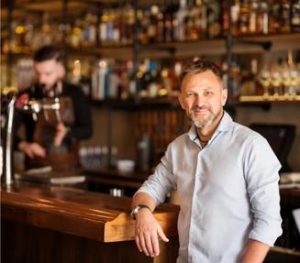
A business owner’s policy bundles general liability, commercial property, and business interruption insurance into one package. BOPs streamline coverage, reduce premiums through bundling, and simplify certificate of insurance management.
BOPs include:
- General liability protection for third-party claims
- Property coverage for building contents and equipment
- Business interruption insurance for lost income during closures
- Equipment breakdown coverage for mechanical failures
Many operators find BOPs offer the most cost-effective foundation for comprehensive protection.
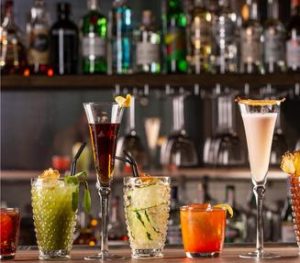
Restaurants serving alcohol need liquor liability insurance to protect against dram shop claims. Coverage responds when intoxicated patrons cause accidents, injuries, or property damage after leaving your establishment.
State dram shop laws hold establishments liable for over-serving visibly intoxicated guests or serving minors. A single claim can result in six-figure settlements. Liquor liability insurance is essential for:
- Full-service restaurants with bar programs
- Craft breweries and microbreweries
- Wine bars and tasting rooms
- Sports bars and taverns
- Event venues serving alcohol
Many landlords and lenders require liquor liability coverage as a condition of your lease or loan agreement.
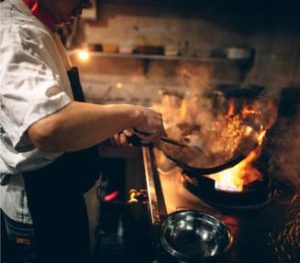
Workers’ compensation coverage is required by law for restaurants with three or more employees, including part-time staff. Coverage pays medical expenses and lost wages when employees get injured on the job.
Restaurant workers face significant injury risks such as burns from hot equipment, cuts from knives, slips on wet floors, and repetitive stress injuries. Workers’ compensation protects both your employees and your business from the financial impact of workplace accidents.
The state’s workers’ compensation system requires coverage, and penalties for non-compliance include fines and potential business closure. Don’t operate without the right coverage in place.
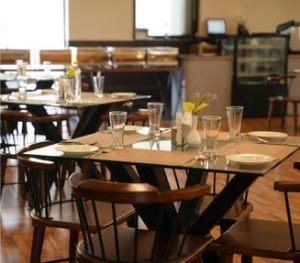
Business interruption insurance replaces lost income during closures from fires, equipment failures, or winter storms. Coverage pays ongoing expenses including rent, payroll, and loan payments when you can’t generate revenue.
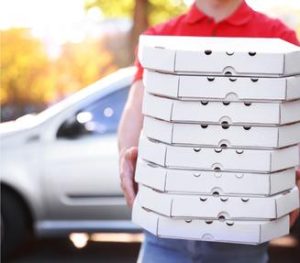
Commercial auto coverage is essential for restaurants offering delivery or catering. Personal auto policies don’t cover business use, and the state’s no-fault system makes proper coverage critical.

Cyber liability insurance protects from data breaches and digital security incidents. Coverage responds when hackers access customer payment information through POS systems or ransomware attacks shut down operations.

Food contamination insurance responds to health department closures, product recalls, and customer illness claims. Strict food safety requirements make this specialized coverage essential for protecting your reputation and revenue.

Start Your Custom Michigan Restaurant Insurance Quote
Lets Help You Build A Custom Online Quote For Your Restaurant Now
Coverage for Every Michigan Restaurant Concept
We design specialized insurance programs for every type of food service operation across the state, including bakeries, catering businesses, coffee shops, fine dining establishments, food trucks, franchises, full-service restaurants, ghost kitchens, restaurant groups, pizzerias, and quick service restaurants.
Every business in Michigan faces different exposures. Your insurance should reflect your specific operation, not a one-size-fits-all approach.
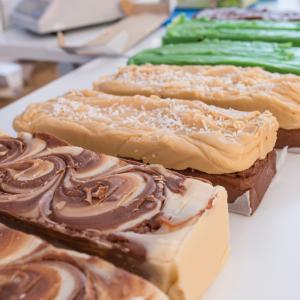
Bakeries face unique exposures combining food production, retail operations, and wholesale distribution. Coverage must address production equipment, contamination risk, and spoilage from refrigeration failure.
Retail bakeries with customer seating require $1 million to $2 million general liability limits. Wholesale operations need $2 million to $5 million product liability coverage.
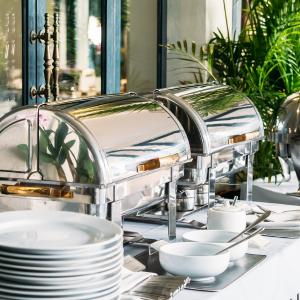
Catering operations present mobile risk exposures that standard restaurant policies don’t adequately address. Michigan caterers need coverage for temporary venues, transport of food and equipment, and certificates of insurance for event locations.
Caterers should carry inland marine coverage for equipment at temporary locations. Many venues require $2 million to $5 million umbrella policies for events exceeding 200 guests.

Coffee shops present lower cooking exposures but face significant premises liability from high foot traffic and spilled beverages. Michigan coffee shop insurance focuses on slip-and-fall protection, equipment coverage, and business interruption during espresso machine breakdowns.
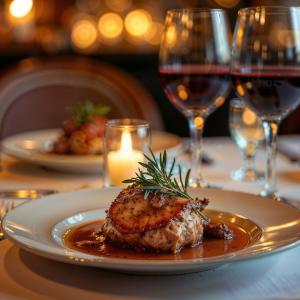
Fine dining establishments face elevated liability exposure from higher check averages, alcohol service, and guest expectations. Michigan fine dining insurance must account for increased claim severity, extensive wine cellars, and liquor liability.
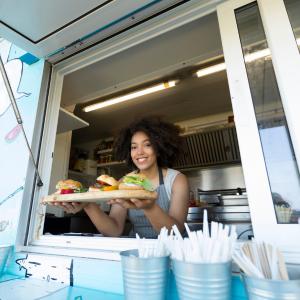
Food trucks require specialized coverage blending commercial auto, general liability, and property insurance for mobile food service operations. Michigan food truck insurance must address the vehicle itself, multi-location routing, commissary kitchen use, and generator fire exposures.
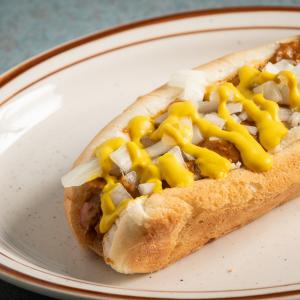
Franchisees and multi-concept groups face complex insurance requirements from franchisors, landlords, and centralized risk management needs.
Multi-unit operators benefit from scheduled location coverage reducing per-location premiums. Restaurant groups with 3+ locations typically save 15% to 25% on total insurance costs compared to individual policies.
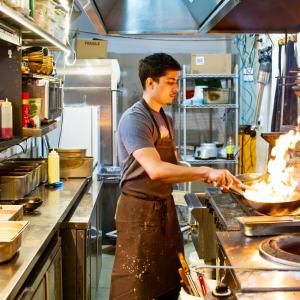
Ghost kitchens present emerging risk exposures from shared commercial spaces, exclusive digital ordering, third-party delivery platform dependence, and multi-tenant contamination risk. Michigan ghost kitchen insurance must address cyber liability, shared-space exposures, and technology-dependent operations.
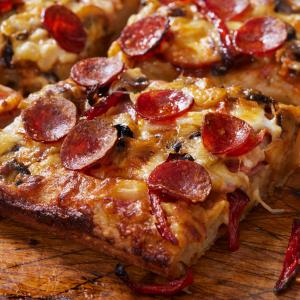
Pizzerias and QSRs face high-frequency exposures from high-heat cooking equipment, high-volume delivery operations, drive-thru incidents, and late-night operations. Michigan pizzeria and QSR insurance must address delivery driver liability, fire exposure from ovens, and slip-and-fall claims during high-traffic service.
Frequently Asked Questions
What insurance is required for restaurants in Michigan?
Restaurants must carry workers’ compensation insurance if they have three or more employees. Most landlords require general liability and commercial property insurance. Establishments serving alcohol need liquor liability coverage, and those offering delivery need commercial auto insurance.
How much does restaurant insurance cost in Michigan?
Costs vary based on concept, location, revenue, and coverage limits. A small café might pay $3,000 to $5,000 annually, while a full-service operation with liquor service could pay $8,000 to $15,000 or more. Food trucks typically pay $2,000 to $6,000 annually.
Does my restaurant need liquor liability insurance?
Yes, if you serve alcohol. State dram shop laws hold establishments liable for over-serving intoxicated patrons or serving minors.
A single dram shop claim can result in six-figure settlements. Most landlords and lenders require this coverage.
Michigan-Specific Restaurant Insurance Considerations
Operating a restaurant in the Great Lakes State comes with unique challenges:
Harsh Winter Weather: Severe winters increase risks of frozen pipes, snow-related injuries, and equipment failures requiring enhanced property and liability coverage.
Tourism & Seasonal Operations: Northern regions see dramatic seasonal fluctuations. Coverage should adjust for varying revenue throughout the year.
Dram Shop Laws: Restaurants serving alcohol face strict liability. Adequate liquor liability limits are essential.
Workers’ Compensation Requirements: State law mandates coverage for restaurants with three or more employees, with penalties for non-compliance.
Why Choose Insurance Kitchen for Restaurant Insurance in Michigan
We’ve spent 20+ years with a focus on restaurant insurance. This means that we understand your business better than generalist agents.
Our programs include bespoke coverage tailored to your concept, competitive quotes from multiple carriers, expert guidance on state requirements, proactive risk management, dedicated agent support, and fast certificate processing.
We don’t sell cookie-cutter policies. We craft the right insurance coverage plans ingredient by ingredient to create the perfect recipe for your restaurant’s security.
Get Your Michigan Restaurant Insurance Quote Today
Protecting your business starts with a conversation. We’ll review your business, identify coverage gaps, and design a program that matches your risk profile and budget.
Don’t settle for generic coverage that leaves you exposed. Choose the right insurance that’s designed specifically for restaurant businesses.
Popular Michigan Cities We Serve
A - DO
Ada
Adrian
Algoma
Allendale
Allen Park
Alpena
Alpine
Ann Arbor
Antwerp
Auburn Hills
Bangor
Battle Creek
Bay City
Bedford
Bedford
Beecher
Benton
Benton Harbor
Berkley
Berlin
Beverly Hills
Big Rapids
Birmingham
Blackman
Bloomfield
Brandon
Brownstown
Burton
Byron
Cadillac
Cannon
Canton
Cascade
Chesterfield
Clawson
Clinton
Coldwater
Commerce
Comstock
Comstock Park
Cooper
Cutlerville
Dearborn
Delhi
Delta
Detroit
E - IN
East Bay
Eastpointe
Ecorse
Egelston
Emmett
Escanaba
Farmington
Farmington Hills
Fenton
Ferndale
Flat Rock
Flint
Forest Hills
Fort Gratiot
Fraser
Frenchtown
Gaines
Garden City
Garfield
Genesee
Genoa
Georgetown
Grand Haven
Grand Rapids
Grandville
Green Oak
Grosse Ile
Grosse Pointe Park
Grosse Pointe Woods
Hamburg
Hamtramck
Harper Woods
Harrison
Hartland
Haslett
Hazel Park
Highland
Highland Park
Holland
Holt
Howell
Huron
Independence
Inkster
IO - P
Ionia
Jackson
Jenison
Kalamazoo
Kentwood
Lansing
Lenox
Leoni
Lincoln
Lincoln Park
Livonia
Lyon
Macomb
Madison Heights
Marion
Marquette
Marysville
Melvindale
Meridian
Midland
Monitor
Monroe
Mount Clemens
Mount Pleasant
Mundy
Muskegon
Muskegon Heights
New Baltimore
Niles
Northview
Norton Shores
Novi
Oakland
Oak Park
Oceola
Okemos
Orion
Oshtemo
Owosso
Park
Pittsfield
Plainfield
Pontiac
Portage
Port Huron
R - Y
Redford
Riverview
Rochester
Rochester Hills
Romulus
Roseville
Royal Oak
Saginaw
Sault Ste. Marie
Scio
Shelby
Southfield
Southgate
South Lyon
Springfield
St. Clair Shores
Sterling Heights
Sturgis
Summit
Superior
Taylor
Texas
Thomas
Tittabawassee
Traverse City
Trenton
Troy
Tyrone
Union
Van Buren
Vienna
Walker
Warren
Washington
Waterford
Waverly
Wayne
West Bloomfield
Westland
White Lake
Wixom
Woodhaven
Wyandotte
Wyoming
Ypsilanti