




Restaurant Insurance in Bar Harbor, Maine
If you're a Bar Harbor restaurant owner searching for insurance that actually understands a fire that ended an entire Gilded Age era of this town in three weeks, a state where servers carry real, dollar-capped liability for over-serving, and a national park that pumps hundreds of millions into local businesses every year, Insurance Kitchen builds coverage around that reality. The Great Fire of 1947 destroyed 67 of the town's grand summer cottages and caused over $23 million in damage. We build Bar Harbor restaurant coverage around your actual neighborhood and local risk.
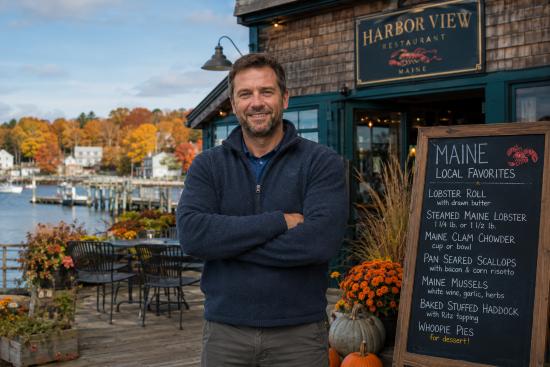
We know Bar Harbor's restaurant scene block by block
Bar Harbor's restaurant scene sits among the surviving fragments of a Gilded Age summer colony, with a documented fire history that reshaped the entire town. Here's what we watch for across its neighborhoods.
West Street Historic District
Listed on the National Register of Historic Places on May 6, 1980. Seventeen summer cottages built between the 1870s and 1910s along West Street, one of the best-surviving concentrations of Bar Harbor's Gilded Age summer architecture since most of the rest burned in 1947.
Harbor Lane–Eden Street Historic District
Listed on the National Register of Historic Places on July 22, 2009. Nine surviving architect-designed summer estates on Frenchman Bay, northwest of the main village, among the few grand properties to survive the 1947 fire intact.
Core coverage lines every Bar Harbor restaurant should evaluate
Restaurant insurance in Bar Harbor is a tailored bundle built around Maine law, local licensing, and your lease. Here's what actually protects Bar Harbor food service businesses.
General Liability Insurance
Protects against third-party bodily injury and property damage claims. Responds when guests slip, suffer foodborne illness, or get injured during delivery. Most landlords require $1M/$2M before lease signing.
Commercial Property Insurance
Covers your kitchen equipment, refrigeration and HVAC, tenant improvements, inventory, and business personal property against fire, equipment breakdown, and theft.
Business Owner's Policy (BOP)
Bundles general liability, commercial property, and business interruption into one package. Works best for single-unit restaurants with annual revenue under $3 million.
Liquor Liability Insurance
The Maine Liquor Liability Act (28-A M.R.S. § 2506) holds servers liable for negligently serving a minor or a visibly intoxicated patron, and non-medical damages are capped at $350,000 per accident under § 2509, though medical expenses themselves are never subject to that cap.
Workers' Compensation Insurance
Covers medical expenses and lost wages for work-related injuries. 39-A M.R.S. § 401 requires coverage from your first employee, though corporate officers who own 20% or more of voting stock can file a written waiver, and family members employed by a sole proprietor or partner may waive coverage as well.
Business Interruption Insurance
Replaces lost income and covers ongoing expenses when covered events force shutdowns or reduced capacity. Limits should reflect 3 to 6 months of net income plus fixed expenses.
What restaurant insurance typically costs in Bar Harbor
A rough range based on real Maine market data. Not a quote, just a starting point before you talk to an agent about your specific Bar Harbor location.
| Coverage | Typical Range | Why |
|---|---|---|
| General Liability Insurance | $550–$2,600/yr | Scales with your landlord's required limits and your building's age, especially among the surviving Gilded Age cottage buildings. |
| Liquor Liability Insurance | $400–$2,200/yr | The Maine Liquor Liability Act holds servers liable for negligently serving a minor or a visibly intoxicated patron, and most Bar Harbor leases and lenders require this coverage regardless of the statutory damage cap. |
| Commercial Property w/ Wildfire Endorsement | $1,700–$5,500/yr | The Great Fire of 1947 burned 17,188 acres of Mount Desert Island and caused over $23 million in damage, a documented ceiling for wildfire risk in this exact location. |
| Workers' Compensation | $0.40–$1.75 per $100 of payroll | Coverage applies from employee number one in Maine, and seasonal Acadia-driven staffing swings don't change that threshold. |
| Business Owner's Policy (BOP), Bundled | $1,400–$4,200/yr | Bundles general liability and commercial property at a discounted rate, the standard starting point for most single-unit Bar Harbor restaurants. |
| Full-Service Seasonal, Bundled | $4,800–$12,000/yr | Restaurants running a full bar during peak Acadia visitor season, with high seasonal staffing swings, should budget toward the higher end. |
Why the Great Fire of 1947 and Maine's liquor liability law change what your policy needs to do
Bar Harbor restaurant coverage has to account for a documented wildfire that permanently reshaped this town's building stock and economy, on top of Maine's statutory liquor liability framework, which creates real exposure even with a dollar cap in place.
The Great Fire of 1947 ended an entire era of Bar Harbor's history
The fire started near Hulls Cove on October 17, 1947 and, driven by gale winds, reached Bar Harbor on October 23, traveling 6 miles in under 3 hours, per the National Park Service's own account of the fire. It burned 17,188 acres, destroyed 67 of the town's Gilded Age summer cottages, 170 permanent homes, and 5 large historic hotels, and caused more than $23 million in damage before being declared out on November 14. Most of the destroyed estates were never rebuilt, permanently shifting Bar Harbor's economy toward tourism and motels. Insuring a restaurant here today means confirming your property policy's wildfire coverage against a fire this documented, not a generic regional estimate.
The Maine Liquor Liability Act creates real, capped civil exposure
28-A M.R.S. § 2506 holds a server liable for negligently serving a minor or a visibly intoxicated patron, and § 2509 caps non-medical damages at $350,000 per accident, though medical expenses themselves are never subject to that cap. § 2511 makes this Act the exclusive remedy for these claims. In a seasonal town where a single busy summer weekend can bring real over-serving exposure, understanding this specific framework matters more than assuming a generic national rule.
Dry conditions and high winds raise wildfire risk on Mount Desert Island near your Bar Harbor restaurant.
A closer look at how Bar Harbor's documented risk factors actually play out.
Dry conditions and high winds raise wildfire risk on Mount Desert Island near your Bar Harbor restaurant.
- The history: The Great Fire of 1947 burned 17,188 acres and destroyed 67 Gilded Age cottages, 170 homes, and 5 hotels, a documented ceiling for how severe wildfire risk can get here.
- The scale: Property damage exceeded $23 million at the time, and the fire took nearly a month to fully extinguish after reaching the town.
- The building-age question: If your restaurant occupies one of the surviving West Street or Harbor Lane cottages, confirm your property policy's replacement-cost basis matches that specific construction era.
- The fix: A commercial property policy with confirmed wildfire coverage, checked against a fire this severe, is what actually responds to a loss like 1947's.
This is exactly why Bar Harbor-specific coverage matters. A generic statewide policy doesn't automatically account for wildfire risk documented at this scale.
Frequently asked questions
How much does restaurant insurance cost in Bar Harbor?
Restaurant insurance in Bar Harbor typically runs $3,600 to $12,000 per year for a standard package combining general liability, commercial property, and workers' compensation. General liability runs $550 to $2,600 per year; commercial property with a wildfire endorsement runs $1,700 to $5,500 per year; workers' compensation, required from employee number one, runs roughly $0.40 to $1.75 per $100 of payroll. Liquor liability runs $400 to $2,200 per year.
Can a Bar Harbor restaurant be held liable for over-serving a customer?
Yes. The Maine Liquor Liability Act (28-A M.R.S. § 2506) holds servers liable for negligently serving a minor or a visibly intoxicated patron. Non-medical damages are capped at $350,000 per accident, but medical expenses aren't subject to that cap, so real exposure exists even within the statutory ceiling.
Does the 1947 fire history still affect commercial property insurance in Bar Harbor?
Yes, as a real risk benchmark. The Great Fire of 1947 burned 17,188 acres, destroyed 67 Gilded Age cottages, and caused over $23 million in damage. That documented severity is priced into wildfire risk assessments here, so confirming your policy's wildfire coverage is worth doing before fire season, not after.
Does Acadia National Park's visitor economy affect Bar Harbor restaurant insurance needs?
Indirectly, yes. Acadia drew 3.88 million visitors in 2023, generating $685 million in local economic benefit and supporting 6,600 jobs, per the National Park Service. That kind of concentrated seasonal demand is worth building into your general liability and staffing planning rather than assuming flat, year-round exposure.
Is workers' compensation required for a small Bar Harbor restaurant with only a few employees?
Yes, from your very first hire. 39-A M.R.S. § 401 sets no minimum headcount, so one employee is enough to trigger the requirement. Sole proprietors, partners, and certain family members can file a formal written waiver, but that's an election, not a default exemption.
Get Bar Harbor restaurant coverage built around your actual neighborhood and real local risk.
Tell us your concept and your Bar Harbor neighborhood. We'll put together the coverage that actually applies.
Get Your Free Quote →