




Restaurant Insurance in Wichita, Kansas
If you're a Wichita restaurant owner searching for insurance that actually understands the F5 tornado that tore through this city in 1991, a state with no civil dram shop liability at all, and a downtown built around a century-old brick warehouse district, Insurance Kitchen builds coverage around that reality. The April 26, 1991 Andover-Wichita tornado killed 17 people and caused an estimated $300 million in damage across a 46-mile path. We build Wichita restaurant coverage around your actual neighborhood and local risk.
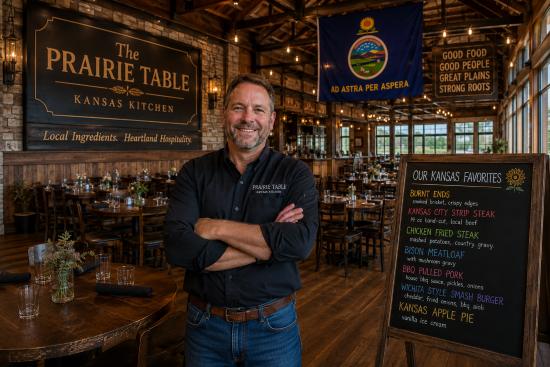
We know Wichita's restaurant scene block by block
Wichita's restaurant scene runs from a century-old brick warehouse district to the city's original west-bank settlement, with a real tornado history to plan around. Here's what we watch for across its neighborhoods.
Old Town
Officially the Wichita Historic Warehouse and Jobbers District, listed on the National Register on November 21, 2003. Roughly 50 acres of brick warehouses built between the 1870s and 1920s, redeveloped into restaurants, hotels, and lofts starting in the 1980s. Named an American Planning Association "Great Place in America" in 2008.
Delano District
Wichita's original Old West entertainment district on the west bank of the Arkansas River, annexed into the city in 1880. Today it's rebuilt as a shopping and dining corridor, with a mix of older commercial buildings and newer construction across the district.
College Hill
A one-square-mile neighborhood bounded by Central, Kellogg, Hillside, and Oliver Avenues, containing several National Register-listed homes. Older, larger residential building stock that shapes replacement-cost considerations for the restaurants operating along its edges.
Core coverage lines every Wichita restaurant should evaluate
Restaurant insurance in Wichita is a tailored bundle built around Kansas law, local licensing, and your lease. Here's what actually protects Wichita food service businesses.
General Liability Insurance
Protects against third-party bodily injury and property damage claims. Responds when guests slip, suffer foodborne illness, or get injured during delivery. Most landlords require $1M/$2M before lease signing.
Commercial Property Insurance
Covers your kitchen equipment, refrigeration and HVAC, tenant improvements, inventory, and business personal property against fire, equipment breakdown, and theft.
Business Owner's Policy (BOP)
Bundles general liability, commercial property, and business interruption into one package. Works best for single-unit restaurants with annual revenue under $3 million.
Liquor Liability Insurance
Kansas repealed its dram shop act in 1949 and courts have upheld no civil vendor liability since (Ling v. Jan's Liquors, 1985), but criminal penalties and most lease requirements still apply.
Workers' Compensation Insurance
Covers medical expenses and lost wages for work-related injuries. Mandatory in Kansas once your gross annual payroll exceeds $20,000, a threshold most active restaurants cross with a single employee.
Business Interruption Insurance
Replaces lost income and covers ongoing expenses when covered events force shutdowns or reduced capacity. Limits should reflect 3 to 6 months of net income plus fixed expenses.
What restaurant insurance typically costs in Wichita
A rough range based on real Kansas market data. Not a quote, just a starting point before you talk to an agent about your specific Wichita location.
| Coverage Type | Typical Annual Range | Why It Varies |
|---|---|---|
| General Liability Insurance | $500–$2,500/yr | Scales with your landlord's required limits and your building's age, especially in Old Town's brick warehouse spaces. |
| Liquor Liability Insurance | $300–$2,000/yr | Kansas has no civil dram shop liability, but licensees still face criminal and administrative penalties for serving a minor or a visibly intoxicated patron, and most landlords still require coverage. |
| Commercial Property w/ Wind/Hail Endorsement | $1,000–$3,500/yr | Kansas averages 80 to 100-plus tornadoes a year, and the April 1991 Andover-Wichita F5 killed 17 people and caused an estimated $300 million in damage, a documented ceiling for wind-and-hail exposure here. |
| Workers' Compensation | $0.30–$1.50 per $100 of payroll | Mandatory once your gross annual payroll exceeds $20,000, a threshold most active restaurants cross with a single cook or server. |
| Business Owner's Policy (BOP), Bundled | $1,150–$3,500/yr | Bundles general liability and commercial property at a discounted rate, the standard starting point for most single-unit Wichita restaurants. |
| Full-Service, Bundled | $4,000–$9,500/yr | Restaurants in older Old Town or Delano District buildings, or those running a full bar, should budget toward the higher end. |
Why Wichita's tornado history and Kansas's dram shop rule change what your policy needs to do
Wichita restaurant coverage has to account for the state's ranking as the nation's leader in F5/EF5 tornadoes, and an unusual legal framework: Kansas restaurants carry no civil dram shop liability at all.
The 1991 Andover-Wichita tornado is a benchmark for the whole region's wind risk
The April 26, 1991 tornado was rated F5, killed 17 people, injured 225, and caused an estimated $300 million in damage across a 46-mile path through Sedgwick and Butler counties, with winds estimated near 261 mph, per National Weather Service and Wikipedia records of the storm. Kansas has recorded 7 F5/EF5 tornadoes since 1950, more than any other state. Standard commercial property policies cover wind damage, but confirming your actual coverage limits against a storm this severe is worth doing before, not after, a tornado warning.
Kansas repealed its dram shop law in 1949, and courts have upheld that ever since
The Kansas Supreme Court held in Ling v. Jan's Liquors (1985) that commercial vendors are not civilly liable for injuries caused by an intoxicated patron they served, treating the patron's own consumption, not the seller, as the legal cause of any resulting harm, per legal analysis of Kansas dram shop law. Criminal and administrative penalties still apply for serving a minor or an already-intoxicated adult, and most commercial leases still require liquor liability coverage regardless of the civil-liability question.
Severe spring weather rolls through Wichita, and a tornado warning is issued for your restaurant's zip code.
A closer look at how Wichita's documented risk factors actually play out.
Severe spring weather rolls through Wichita, and a tornado warning is issued for your restaurant's zip code.
- The history: The April 1991 Andover-Wichita F5 killed 17 people and caused an estimated $300 million in damage across a 46-mile path, a benchmark for how severe a single storm can get here.
- The frequency: Kansas averages 80 to 100-plus tornadoes a year and has recorded more F5/EF5 tornadoes since 1950 than any other state.
- The building-age question: If your restaurant occupies an older brick building in Old Town or Delano, confirm your property policy's replacement-cost basis matches the building's actual age and construction, not a generic estimate.
- The fix: Confirmed wind coverage under your commercial property policy, reviewed against a storm this severe, is what actually responds to a tornado loss.
This is exactly why Wichita-specific coverage matters. A generic Kansas policy doesn't automatically account for tornado risk this frequent or a legal framework this different from most states.
Frequently asked questions
How much does restaurant insurance cost in Wichita, Kansas?
Restaurant insurance in Wichita typically runs $2,800 to $9,500 per year, or roughly $283 per month for a baseline package combining general liability, commercial property, and workers' compensation. General liability runs $500 to $2,500 per year; commercial property runs $1,000 to $3,500 per year; workers' compensation, mandatory once your gross annual payroll exceeds $20,000, runs $0.30 to $1.50 per $100 of payroll. Liquor liability runs $300 to $2,000 per year.
Does Kansas have a dram shop law that holds restaurants liable for over-served patrons?
No. Kansas repealed its dram shop act in 1949, and the Kansas Supreme Court confirmed in Ling v. Jan's Liquors (1985) that restaurants and bars carry no civil liability for injuries caused by a patron they served alcohol to. Criminal and administrative penalties still apply for serving a minor or a visibly intoxicated adult, and most landlords still require liquor liability coverage regardless.
Does Wichita's tornado history affect commercial property insurance costs?
Yes. The April 1991 Andover-Wichita F5 tornado killed 17 people and caused an estimated $300 million in damage, and Kansas has recorded more F5/EF5 tornadoes since 1950 than any other state. That frequency is priced directly into commercial property premiums here, so review your policy's wind coverage limits against the severity this region has actually seen.
Does Old Town's century-old warehouse buildings cost more to insure?
Often, yes. Old Town's brick warehouses date to the 1870s through 1920s, and insuring a building that age typically costs more than insuring new construction because of higher replacement costs for period materials and the likelihood of older electrical or plumbing systems. Check that your property policy's stated replacement-cost basis actually reflects your building's real age.
What license does a Wichita restaurant need to sell beer, wine, or liquor?
For beer or malt beverages up to 6% alcohol by volume, Kansas requires a Cereal Malt Beverage (CMB) license: a $25 state stamp from the ABC plus a local license from the city or county, typically $25 to $200. Selling stronger spirits or liquor by the drink requires a separate liquor license on top of the CMB. Neither replaces your restaurant's own liquor liability insurance.
Get Wichita restaurant coverage built around your actual neighborhood and real local risk.
Tell us your concept and your Wichita neighborhood. We'll put together the coverage that actually applies.
Get Your Free Quote →