




Restaurant Insurance in Honolulu, Hawaii
If you're a Honolulu restaurant owner searching for insurance that actually understands a fire-code history shaped by the city's deadliest high-rise blaze, a food economy where most ingredients arrive by ship, and a state where workers' comp is required starting with your very first hire, Insurance Kitchen builds coverage around that reality. We build Honolulu restaurant coverage around your actual neighborhood and real local risk.
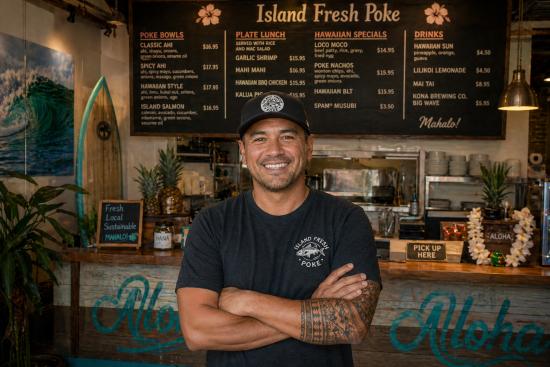
We know Honolulu's restaurant scene block by block
Honolulu's restaurant scene runs from a high-rise urban core still working through post-Marco Polo fire code requirements to a resort corridor that lives and dies by visitor season. Here's what we watch for across its neighborhoods.
Downtown / Kaka'ako
Restaurants operating as ground-floor tenants inside Honolulu's condo and office towers share a building stock going through the sprinkler-retrofit requirements that followed the 2017 Marco Polo fire, which makes confirming your specific building's fire-code compliance status, not just your own tenant space, worth doing before you sign or renew a lease.
Waikiki
Waikiki's hotel and resort restaurants see a visitor volume and liquor-service load that most mainland cities in this project simply don't have, which pushes both premises-liability and liquor-liability exposure well above what a generic statewide quote assumes.
Core coverage lines every Honolulu restaurant should evaluate
Restaurant insurance in Honolulu is a tailored bundle built around Hawaii law, local licensing, and your lease. Here's what actually protects Honolulu food service businesses.
General Liability Insurance
Protects against third-party bodily injury and property damage claims. Responds when guests slip, suffer foodborne illness, or get injured during delivery. Most landlords require $1M/$2M before lease signing.
Commercial Property Insurance
Covers your kitchen equipment, refrigeration and HVAC, tenant improvements, inventory, and business personal property against fire, equipment breakdown, and theft.
Business Owner's Policy (BOP)
Bundles general liability, commercial property, and business interruption into one package. Works best for single-unit restaurants with annual revenue under $3 million.
Liquor Liability Insurance
Hawaii has no dram shop statute, but the Hawaii Supreme Court's own case law fills that gap: Ono v. Applegate, 612 P.2d 533 (Haw. 1980), established that a vendor who serves an already-intoxicated patron can be held liable in negligence to a third party that patron later injures. Serving a visibly intoxicated person is also a licensing violation under HRS section 281-78. Standalone liquor liability coverage is essential, not optional, for any Hawaii establishment that serves alcohol.
Workers' Compensation Insurance
Hawaii requires workers' comp coverage from your very first employee, full time, part time, seasonal, or temporary, under HRS Chapter 386, administered by the Disability Compensation Division. Sole proprietors, partners, and corporate officers or stockholders owning at least 50% of the business may exempt themselves, but every other worker must be covered. Operating without it risks a fine of $100 per employee per day (minimum $500), a state stop-work order, and personal liability for the owner.
Business Interruption Insurance
Replaces lost income and covers ongoing expenses when covered events force shutdowns or reduced capacity. Limits should reflect 3 to 6 months of net income plus fixed expenses.
What restaurant insurance typically costs in Honolulu
A rough range based on real Hawaii market data. Not a quote, just a starting point before you talk to an agent about your specific Honolulu location.
| Coverage | Typical Range | Why |
|---|---|---|
| General Liability Insurance | $700-$3,000/yr | Hawaii doesn't legally require general liability coverage, but Honolulu's commercial landlords and hotel or resort master leases commonly make it a condition of occupancy anyway. |
| Liquor Liability Insurance | $480-$1,200/yr | Hawaii has no dram shop statute, but the state Supreme Court's own case law in Ono v. Applegate lets an injured third party sue a vendor who served an already-intoxicated patron, which makes standalone coverage a real need for Waikiki's bar and resort-restaurant scene specifically. |
| Commercial Property w/ Fire-Code & Import-Delay Review | $1,080-$1,800/yr | Older high-rise fire-code compliance and Hawaii's shipping-dependent supply chain are two separate, documented reasons to confirm your policy's business-interruption terms cover a slow freight delay, not just a fire or storm. |
| Workers' Compensation (mandatory from your first hire) | $660-$1,980/yr | Hawaii requires coverage under HRS Chapter 386 starting with your very first employee, full time or part time, and Honolulu's tight, competitive hospitality labor market means most restaurants are covering staff well before they'd expect to. |
| Business Owner's Policy (BOP), Bundled | $1,800-$3,000/yr | Bundles general liability and commercial property at a discounted rate, the standard starting point for most single-unit Honolulu cafes and fast-casual concepts. |
| Full-Service, High-Volume, Bundled | $8,400-$14,400/yr | Waikiki and downtown full-bar restaurants with 15+ staff should budget toward this range, reflecting both Honolulu's higher cost of doing business and its liquor-service volume. |
Why Honolulu's fire-code history and Hawaii's import-driven costs change what your policy needs to do
Honolulu restaurant coverage has to account for a real fire-safety turning point tied directly to the high-rise buildings many restaurants operate inside, layered against a statewide supply chain that adds real delay and cost risk most mainland cities in this project don't face.
The Marco Polo fire reset what fire-code compliance means for Honolulu high-rises
On July 14, 2017, a fire broke out on the 26th floor of the Marco Polo, a 36-story condo tower with no sprinkler system, killing four residents and injuring more than a dozen others in what remains Honolulu's deadliest high-rise fire. The tragedy led directly to a citywide sprinkler-retrofit mandate for older high-rises, and restaurants operating as ground-floor tenants inside similar buildings should confirm their landlord's compliance timeline and their own policy's fire-suppression requirements rather than assume an older building automatically meets current code.
Hawaii's shipping-dependent food supply changes how business interruption coverage should be sized
Roughly 85 to 90 percent of what Hawaii eats arrives by ship from outside the islands, a supply chain that runs through federal shipping law and long ocean freight routes rather than a regional trucking network. A single delayed container can mean days without a key ingredient or a walk-in full of spoiled inventory, which is exactly why Honolulu restaurant owners should size business interruption and spoilage coverage around real shipping-delay scenarios, not just fire or storm closures.
A Kaka'ako restaurant's walk-in cooler fails during a shipping delay, and replacement parts and inventory both take more than a week to arrive.
A closer look at how Honolulu's documented risk factors actually play out.
A Kaka'ako restaurant's walk-in cooler fails during a shipping delay, and replacement parts and inventory both take more than a week to arrive.
- The setup: A Honolulu restaurant assumes a broken walk-in cooler is a same-week fix, the way it would be almost anywhere on the mainland.
- The direct impact: The replacement compressor has to ship in from outside the islands, and the restaurant loses a week and a half of refrigerated inventory and dinner service before the unit is running again.
- The coverage question: Confirm your business interruption and spoilage coverage account for Hawaii's real shipping timelines, not a mainland-standard repair window, before a breakdown turns into a multi-week closure.
- The fix: Sizing spoilage and business interruption limits around actual Hawaii freight delays, not a generic national average, is what keeps a slow part shipment from becoming a real cash-flow crisis.
This is exactly why Honolulu-specific coverage matters. A generic mainland repair-time assumption misses how much longer equipment and inventory replacement can actually take here.
Frequently asked questions
How much does restaurant insurance cost in Honolulu?
A comprehensive restaurant insurance package in Honolulu typically runs $1,800 to $8,400 per year for most single-unit operators, with full-bar, high-volume restaurants running $8,400 to $14,400 or more. General liability runs roughly $700 to $3,000 per year; a bundled BOP runs $1,800 to $3,000 per year; liquor liability runs $480 to $1,200 per year. Honolulu's higher cost of doing business and its liquor-service volume push these numbers above the statewide baseline.
Is workers' compensation required for a small Honolulu restaurant?
Yes, from the moment you hire your first employee, full time or part time. Hawaii's HRS Chapter 386 exempts only sole proprietors, partners, and corporate officers or stockholders who own at least 50% of the business, everyone else must be covered. Skipping it risks a fine of $100 per employee per day (minimum $500), a state stop-work order, and personal liability for the owner if an uninsured employee is hurt.
Can a Honolulu restaurant be sued for over-serving a customer?
Yes. Hawaii has no dram shop statute, but the state Supreme Court filled that gap in Ono v. Applegate, 612 P.2d 533 (Haw. 1980), holding that a vendor who serves an already-intoxicated patron can be held liable in negligence to a third party that patron later injures. Serving a visibly intoxicated person is separately a licensing violation under HRS section 281-78. Standalone liquor liability coverage is essential for any Waikiki or downtown Honolulu bar or restaurant.
Does the Marco Polo fire still matter for restaurant insurance in Honolulu today?
Yes, as the real turning point behind the city's current fire-code requirements. The July 14, 2017 fire killed four people in a 36-story tower with no sprinklers, and Honolulu responded with a mandatory sprinkler-retrofit rule for older high-rises. Restaurants leasing ground-floor space in similar buildings should confirm their landlord's retrofit compliance status directly rather than assume it's been handled.
What kind of insurance does a Honolulu restaurant actually need?
The core package is general liability, commercial property, and liquor liability if you serve alcohol, often bundled into a Business Owner's Policy for savings. Workers' compensation is legally required from your very first employee under HRS Chapter 386, and Waikiki or resort-adjacent restaurants should size liability and liquor liability limits around real visitor volume, not local population alone.
Get Honolulu restaurant coverage built around your actual neighborhood and real local risk.
Tell us your concept and your Honolulu neighborhood. We'll put together the coverage that actually applies.
Get Your Free Quote →