


Customer Food Poisoning vs. General Liability: Coverage Gaps Exposed
A customer reports severe food poisoning after eating at your restaurant. Within 72 hours, you receive a demand letter claiming $75,000 in medical expenses, lost wages, and damages. You assume your general liability policy covers this claim. You are wrong.
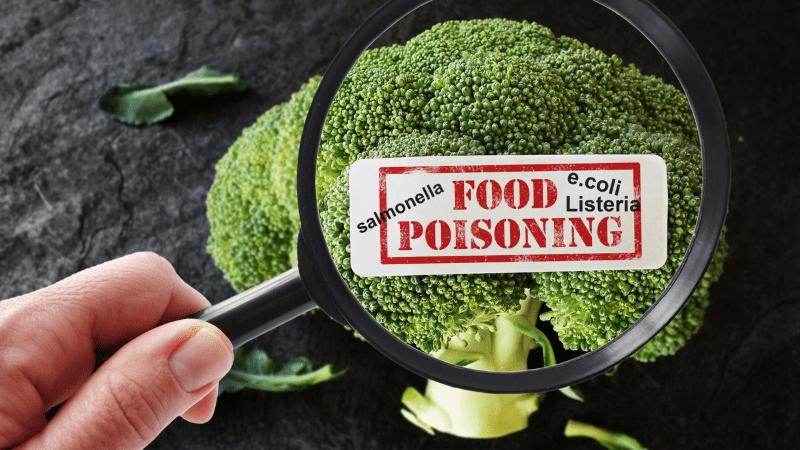
Food poisoning claims occupy a gray area in commercial insurance coverage. While general liability insurance covers bodily injury on your premises, food contamination claims often trigger exclusions that leave restaurant owners exposed. Understanding these coverage gaps prevents devastating financial surprises when claims arise.
The Standard General Liability Coverage Framework
Your general liability insurance policy provides three main coverage sections. Only one potentially covers food-related illness, and the conditions are restrictive.
Coverage A: Bodily Injury and Property Damage Liability This section covers bodily injury caused by an occurrence on your premises or as a result of your operations. Food poisoning technically qualifies as bodily injury. However, three critical limitations apply:
First, the injury must result from an “occurrence” – defined as an accident that is neither expected nor intended. Systematic food safety failures may not qualify as accidents.
Second, coverage typically excludes injury arising from products after they leave your custody or control. Take-out and delivery orders create immediate complications.
Third, many policies include specific food contamination exclusions that supersede the bodily injury coverage.
Coverage B: Personal and Advertising Injury This section covers non-physical injuries like libel or slander. Food poisoning claims do not fall under this coverage section.
Coverage C: Medical Payments This section pays medical expenses regardless of fault, typically with limits of $5,000 to $10,000 per person. This coverage may apply to immediate medical treatment after a customer becomes ill on your premises. However, the low limits provide minimal protection against serious food poisoning claims.
Why Food Poisoning Claims Trigger Coverage Disputes
Insurance companies frequently deny food poisoning claims under general liability policies. Understanding the common denial triggers helps you identify when you need additional coverage.
The Product Completed Operations Exclusion Most general liability policies exclude bodily injury arising from “your product” after you relinquish physical possession. Insurance companies argue that once a customer consumes food, it becomes a “completed operation.”
This exclusion creates significant exposure for:
- Take-out orders consumed off-premises
- Delivery orders
- Catering events where food is served at another location
- Bakery items sold for later consumption
Even dine-in service can trigger this exclusion if the customer becomes ill after leaving your restaurant, which is typical for foodborne illness with incubation periods of 6 to 48 hours.
The Expected or Intended Injury Exclusion Policies exclude injuries that are expected or intended from the insured’s standpoint. If your restaurant has:
- Failed previous health inspections
- Received prior customer illness complaints
- Documented temperature control violations
- Known equipment failures affecting food safety
Insurance companies may argue that resulting illnesses were “expected” based on your known operational deficiencies.
The Sistership Liability Exclusion When multiple customers report illness from the same food source, policies may exclude coverage for recall, inspection, or replacement of potentially contaminated food products. This exclusion applies when you must discard inventory or close for remediation, even if additional customers haven’t yet become ill.
Product Liability vs. General Liability for Food Claims
Product liability coverage addresses many food contamination scenarios that general liability excludes. Understanding the distinction is critical for adequate protection.
What Product Liability Covers Product liability insurance specifically covers bodily injury or property damage caused by products you manufacture, sell, or distribute – including prepared food. This coverage applies:
- After products leave your custody and control
- To multiple claimants from the same contamination event
- When the customer consumes the product at home
- For catering and delivery operations
Coverage Trigger Differences General liability requires the injury to occur on your premises or during your operations. Product liability covers injuries from your products regardless of where consumption occurs.
This distinction is crucial because most foodborne illness symptoms appear 6 to 72 hours after consumption, when the customer is no longer on your premises.
Claims-Made vs. Occurrence Coverage General liability typically operates on an occurrence basis – coverage applies to incidents that occur during the policy period, regardless of when the claim is filed.
Product liability policies may be either occurrence-based or claims-made. Claims-made policies only cover claims filed during the active policy period. For food poisoning with delayed symptom onset, this timing difference creates significant coverage gaps.
Real-World Scenarios That Expose Coverage Gaps
These common situations demonstrate how food poisoning claims fall through coverage cracks:
Scenario 1: Single Customer Dine-In Illness A customer eats dinner at your restaurant. Two days later, she develops severe gastrointestinal symptoms requiring hospitalization. She files a claim for $35,000 in medical expenses.
General Liability Response: Likely denied. The illness occurred off-premises, 48 hours after the meal. The completed operations exclusion applies because you relinquished control of the product when the customer consumed it.
Coverage Gap: Without product liability or food contamination coverage, you pay defense costs and any settlement from operating capital.
Scenario 2: Multi-Customer Outbreak Ten customers who attended a private catering event report illness within 24 hours. Health department investigation confirms salmonella contamination. Claims total $200,000.
General Liability Response: Denied under product completed operations and sistership liability exclusions. The catering event created a completed operation, and multiple claimants from the same source trigger the sistership exclusion.
Coverage Gap: Defense costs alone could exceed $50,000. Settlement or judgment amounts come entirely from business assets.
Scenario 3: Take-Out Order Illness A customer orders take-out. While eating at home, she bites into contaminated food and suffers immediate illness requiring emergency care. Claim amount: $15,000.
General Liability Response: Medical payments coverage (typically $5,000) may apply for immediate treatment. However, the remaining $10,000 faces the completed operations exclusion.
Coverage Gap: You’re exposed for 66% of the claim value plus all defense costs.
Additional Coverage Solutions
Closing food contamination coverage gaps requires specific policy additions or separate coverage.
Product Liability Endorsement Adding product liability coverage to your general liability policy extends protection to food-related illness claims. This endorsement:
- Covers bodily injury from consumed products
- Applies after products leave your possession
- Protects against multiple claimants from single contamination events
- Typically adds 15% to 30% to your base general liability premium
Request per-occurrence limits of at least $1 million for product liability coverage.
Food Contamination Insurance Specialized food contamination policies provide comprehensive protection including:
- Customer illness claims (bodily injury)
- Product recall and replacement costs
- Business interruption from health department closure
- Crisis management and public relations expenses
- Testing and inspection costs
This coverage is essential for:
- Restaurants with annual revenue exceeding $1 million
- Catering operations
- Food manufacturers or processors
- Bakeries with wholesale distribution
Product Recall Coverage Even without customer illness, contamination discoveries trigger significant costs:
- Inventory disposal
- Customer notification
- Brand rehabilitation
- Revenue loss during closure
Product recall coverage specifically addresses these first-party expenses that general liability doesn’t cover.
Health Department Involvement and Coverage
Health department investigations complicate food poisoning claims and often reveal coverage limitations.
Inspection-Triggered Exposures When health departments investigate illness complaints, findings can:
- Trigger the expected injury exclusion if violations existed
- Create documented evidence of negligence
- Result in mandatory closure and associated business interruption
- Generate media coverage that damages reputation
Mandatory Closure Costs General liability policies exclude business interruption losses. If health departments mandate temporary closure for remediation, you face:
- Lost revenue with continuing fixed costs
- Employee wages during closure
- Deep cleaning and sanitation expenses
- Re-inspection fees
Business interruption insurance with contamination coverage fills this gap.
Documentation Requirements for Claims Defense
Whether coverage applies or not, proper documentation is essential for defending food poisoning claims.
Immediate Response Protocol When a customer reports illness:
- Document the complaint in writing with date, time, and specific symptoms
- Preserve samples of suspected food items
- Review temperature logs for the relevant time period
- Identify other customers who ordered the same items
- Notify your insurance carrier within 24 hours
Operational Records to Maintain Your ability to defend claims depends on documented food safety practices:
- Daily temperature logs for refrigeration and hot holding
- Receiving logs showing supplier information and temperatures
- Cleaning and sanitation schedules with completion verification
- Employee health screening records
- Health inspection reports and corrective actions
Courts and insurance companies view missing documentation as evidence of inadequate food safety practices.
Premium Costs and Risk Assessment
Adding food contamination coverage requires understanding how insurers assess risk and price policies.
Rating Factors Insurers evaluate:
- Type of food service (full-service vs. limited menu)
- Preparation complexity (scratch cooking vs. pre-prepared)
- Catering and delivery volume
- Average check size (higher amounts correlate with more complex preparation)
- Health inspection history
- Previous claims or customer complaints
Typical Cost Ranges For a restaurant with $1 million in annual revenue:
- General liability with product liability endorsement: $3,000 to $5,000 annually
- Standalone food contamination policy: $2,000 to $4,000 annually
- Product recall coverage: $1,000 to $2,500 annually
Restaurants with strong food safety programs and no claims history qualify for lower rates within these ranges.
Coverage Gap Assessment
Answer 6 questions to identify your restaurant's food poisoning insurance vulnerabilities
Your Coverage Gap Analysis
Based on your responses, here's your personalized risk assessment
Assessment Summary
Ready to Close Your Coverage Gaps?
Consult with a licensed insurance professional to implement these recommendations and protect your restaurant from food poisoning claims.
Working With Your Insurance Professional
Closing coverage gaps requires clear communication with your insurance agent or broker.
Questions to Ask Before assuming you have adequate food contamination coverage:
- Does my general liability policy include product liability coverage for prepared food?
- What specific exclusions apply to foodborne illness claims?
- Do I need separate food contamination or product recall coverage?
- How does my policy handle catering and delivery operations?
- What documentation do I need to maintain for claims defense?
Policy Review Triggers Review your coverage when you:
- Add catering services
- Begin delivery operations
- Increase annual revenue by more than 25%
- Expand to multiple locations
- Change your menu to include higher-risk items (raw fish, unpasteurized products)
Managing Coverage Through Operations
Insurance provides financial protection, but operational excellence reduces claims frequency and severity.
Critical Control Points Focus on documented procedures for:
- Receiving and storage temperature verification
- Cooking temperature monitoring and recording
- Cooling procedures for prepared foods
- Employee illness reporting and exclusion
- Cross-contamination prevention
Training Requirements All food handlers should complete:
- Food safety certification (ServSafe or equivalent)
- Annual refresher training with documented attendance
- Specific training on your critical control points
- Illness reporting procedures
Insurance companies offer premium credits for certified food safety programs, typically 5% to 10% of your base premium.
Protecting Your Restaurant from Coverage Gaps
Food poisoning claims pose severe financial risks that general liability insurance may not cover. The completed operations exclusion, product-based injury limitations, and specific food contamination exclusions create dangerous gaps in protection.
Closing these gaps requires understanding the distinction between premises liability and product liability, adding appropriate endorsements or standalone policies, and maintaining rigorous documentation of food safety practices.
Review your current coverage with a licensed insurance professional to identify specific gaps in your policy. For comprehensive information about how general liability insurance protects your business, visit our complete guide to general liability coverage.