




Restaurant Insurance in Rapid City, South Dakota
If you're a Rapid City restaurant owner searching for insurance that actually understands a flood that killed 238 people and reshaped downtown zoning, a Black Hills tourism economy that concentrates a real share of annual revenue into August's Sturgis Motorcycle Rally, and a state where workers' comp is legally voluntary but the exposure of skipping it is very real, Insurance Kitchen builds coverage around that reality. We build Rapid City restaurant coverage around your actual neighborhood and real local risk.
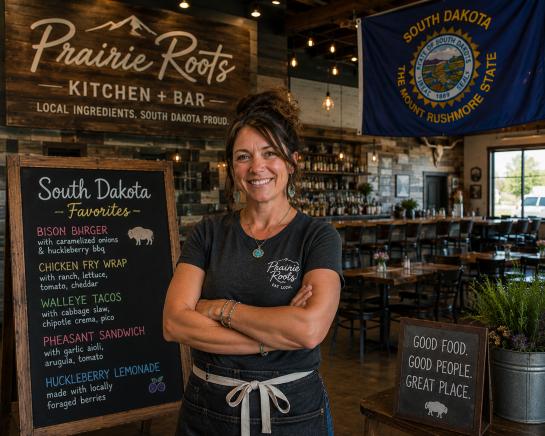
We know Rapid City's restaurant scene block by block
Rapid City's restaurant scene runs from a rebuilt downtown that still carries the memory of its flood history to a tourism corridor that lives and dies by the Black Hills' visitor season. Here's what we watch for across its neighborhoods.
Downtown / Main Street Square
Rapid City's commercial core sits along Rapid Creek, a waterway with a documented flood history and a floodplain the city has spent decades actively managing, which makes a real flood-coverage conversation, not an assumption, worth having.
Mount Rushmore Road / Highway 16
The commercial corridor tourists actually drive through on the way to Mount Rushmore and Custer State Park, where restaurant revenue concentrates heavily into the May-through-September visitor season and spikes further during Sturgis Rally week each August.
Core coverage lines every Rapid City restaurant should evaluate
Restaurant insurance in Rapid City is a tailored bundle built around South Dakota law, local licensing, and your lease. Here's what actually protects Rapid City food service businesses.
General Liability Insurance
Protects against third-party bodily injury and property damage claims. Responds when guests slip, suffer foodborne illness, or get injured during delivery. Most landlords require $1M/$2M before lease signing.
Commercial Property Insurance
Covers your kitchen equipment, refrigeration and HVAC, tenant improvements, inventory, and business personal property against fire, equipment breakdown, and theft.
Business Owner's Policy (BOP)
Bundles general liability, commercial property, and business interruption into one package. Works best for single-unit restaurants with annual revenue under $3 million.
Liquor Liability Insurance
South Dakota has no civil dram shop liability at all: SDCL 35-11-1 declares alcohol consumption, not serving it, to be the legal cause of any resulting injury, an immunity the state Supreme Court upheld in Baatz v. Arrow Bar (1988). Serving a visibly intoxicated patron is still a Class 1 misdemeanor against your license, and most commercial leases require this coverage regardless of the civil-immunity picture.
Workers' Compensation Insurance
South Dakota is one of only two states where workers' comp is voluntary for private employers under SDCL Title 62. An employer only gains exclusive-remedy protection by actually buying an approved policy; skip it, and an injured employee can sue directly under SDCL 62-3-11 with no damage cap. Corporate officers and LLC members are presumed covered by default but can file a written non-election to opt out individually.
Business Interruption Insurance
Replaces lost income and covers ongoing expenses when covered events force shutdowns or reduced capacity. Limits should reflect 3 to 6 months of net income plus fixed expenses.
What restaurant insurance typically costs in Rapid City
A rough range based on real South Dakota market data. Not a quote, just a starting point before you talk to an agent about your specific Rapid City location.
| Coverage | Typical Range | Why |
|---|---|---|
| General Liability Insurance | $1,000-$1,600/yr | South Dakota rates run roughly 12% below the national average, though Rapid City's tourism-driven foot traffic along the Mount Rushmore corridor keeps local rates closer to the state's metro-area range than its rural one. |
| Liquor Liability Insurance | $500-$750/yr | South Dakota has no civil dram shop liability under SDCL 35-11-1, but Rapid City's Sturgis Rally-week bars and full-service restaurants still typically carry this coverage since most leases and event permits require it regardless. |
| Commercial Property w/ Flood & Wildfire Review | $900-$1,400/yr | Rapid Creek's documented flood history and the Black Hills' regionally elevated wildfire danger most fire seasons are two separate, real reasons to confirm your specific address's flood-zone status and wildfire-urban-interface exposure rather than assume a generic policy already covers both. |
| Workers' Compensation (voluntary, not required by law) | $550-$1,300/yr | South Dakota doesn't legally require workers' comp, but a Rapid City restaurant staffing up for Sturgis Rally week with seasonal kitchen and serving staff loses its exclusive-remedy protection entirely if it skips coverage, exposing the business to an uncapped lawsuit under SDCL 62-3-11 from a single busy-week injury. |
| Business Owner's Policy (BOP), Bundled | $1,700-$1,900/yr | Bundles general liability and commercial property at a discounted rate, the standard starting point for most single-unit Rapid City restaurants outside peak tourist season. |
| Full-Service, High-Volume, Bundled | $7,500-$15,000/yr | Mount Rushmore Road restaurants and Rally-week bars running a full staff and full bar should budget toward this range; a comprehensive Rapid City package runs $2,500-$7,500/yr overall outside peak season. |
Why local flood risk and South Dakota's voluntary workers' comp law change what your Rapid City policy needs to do
Rapid City restaurant coverage has to account for a documented flash-flood disaster tied directly to the same downtown blocks restaurants operate on today, layered against a state legal framework that makes carrying workers' comp a genuine choice with real consequences either way.
The 1972 Black Hills Flood set the benchmark for what Rapid Creek can do to downtown
On the night of June 9, 1972, more than 15 inches of rain fell in the Black Hills, overwhelming the Canyon Lake Dam and sending a wall of water through downtown Rapid City. The flood killed 238 people, injured more than 3,000, and caused an estimated $165 million in damage, remaining one of the deadliest flash floods in U.S. history. Restaurants operating in the same downtown corridor today sit inside a floodplain the city has actively managed ever since, which is exactly why confirming whether your commercial property policy actually includes flood coverage, rather than assuming it does, is worth doing before the next major Black Hills storm system.
South Dakota's voluntary workers' comp law creates real exposure during Rapid City's busiest weeks
Under SDCL Title 62, South Dakota doesn't require any employer to carry workers' compensation insurance. A Rapid City restaurant that staffs up seasonally for the Black Hills tourist season and Sturgis Rally week, when kitchens run at their busiest and injury risk climbs with them, only keeps its exclusive-remedy legal protection by actually carrying an approved policy. Skip it, and a single serious kitchen injury during peak season can turn into a direct, uncapped lawsuit under SDCL 62-3-11 rather than a routine workers' comp claim.
Heavy Black Hills rainfall sends Rapid Creek over its banks near a downtown restaurant.
A closer look at how Rapid City's documented risk factors actually play out.
Heavy Black Hills rainfall sends Rapid Creek over its banks near a downtown restaurant.
- The history: Rapid Creek's 1972 flood benchmark (see above) still shapes flood-zone requirements for this exact downtown stretch.
- The direct impact: A flooded downtown dining room can mean ruined kitchen equipment, spoiled inventory, and weeks of lost revenue right as peak tourist season is generating the bulk of annual income.
- The coverage question: Confirm whether your commercial property policy explicitly includes flood coverage or excludes it, since standard property policies commonly exclude flood damage by default near Rapid Creek.
- The fix: A property policy with a confirmed flood endorsement, sized to your actual downtown location and inventory value, is what actually responds to a Rapid Creek flood event rather than leaving the loss uncovered.
This is exactly why Rapid City-specific coverage matters. A generic statewide policy doesn't automatically confirm flood coverage for a downtown address with this documented a history.
Frequently asked questions
How much does restaurant insurance cost in Rapid City?
A comprehensive restaurant insurance package in Rapid City typically runs $2,500 to $7,500 per year outside peak season, with full-service, high-volume operations running $7,500 to $15,000 during the tourist season and Sturgis Rally week. General liability runs $1,000 to $1,600 per year; a bundled BOP runs roughly $1,700 to $1,900 per year; liquor liability runs $500 to $750 per year, reflecting the city's tourism-driven foot traffic.
Does Rapid City restaurant insurance need to account for flooding?
Yes, and it's worth confirming directly rather than assuming. The June 1972 Black Hills Flood killed 238 people and caused an estimated $165 million in damage after Rapid Creek overwhelmed the Canyon Lake Dam and flowed straight through downtown. Standard commercial property policies commonly exclude flood damage by default, so a downtown Rapid City restaurant should confirm its policy actually includes a flood endorsement.
Is workers' compensation required for a Rapid City restaurant during Sturgis Rally week?
No, South Dakota law doesn't require it at any point, including during Rally week. But that's exactly when the risk of skipping it is highest: a restaurant that staffs up seasonally and doesn't carry coverage has no exclusive-remedy protection, so a kitchen injury during the year's busiest stretch can become a direct, uncapped lawsuit under SDCL 62-3-11 rather than a standard claim.
Can a Rapid City restaurant be held liable for over-serving a customer?
Not civilly. South Dakota law, SDCL 35-11-1, declares that alcohol consumption rather than the act of serving it is the legal cause of any resulting injury, and the state Supreme Court upheld that immunity in Baatz v. Arrow Bar (1988). Serving a visibly intoxicated patron remains a Class 1 misdemeanor that can jeopardize a liquor license, but there's no civil dram shop lawsuit exposure. Most Rapid City bars and restaurants still carry liquor liability coverage since leases and event permits typically require it.
Does wildfire risk affect restaurant insurance in Rapid City?
It's a real factor worth discussing with your agent. The Black Hills region runs an elevated wildfire danger rating most fire seasons, and while local fire officials have said the Sturgis Rally itself hasn't historically increased fire incidents, restaurants near the wildland-urban interface should confirm their commercial property policy addresses wildfire exposure specifically, not just standard fire coverage.
Get Rapid City restaurant coverage built around your actual neighborhood and real local risk.
Tell us your concept and your Rapid City neighborhood. We'll put together the coverage that actually applies.
Get Your Free Quote →