




Restaurant Insurance in Rochester, New York
If you're a Rochester restaurant owner searching for insurance that actually understands historic industrial buildings, public-market vendor structures, and this city's real food identity, whether you're in the South Wedge or High Falls, Insurance Kitchen builds coverage around that reality. New York requires workers' compensation for every employer with even one employee, and Monroe County licenses every Rochester restaurant directly. We build Rochester restaurant coverage around your actual building and concept.
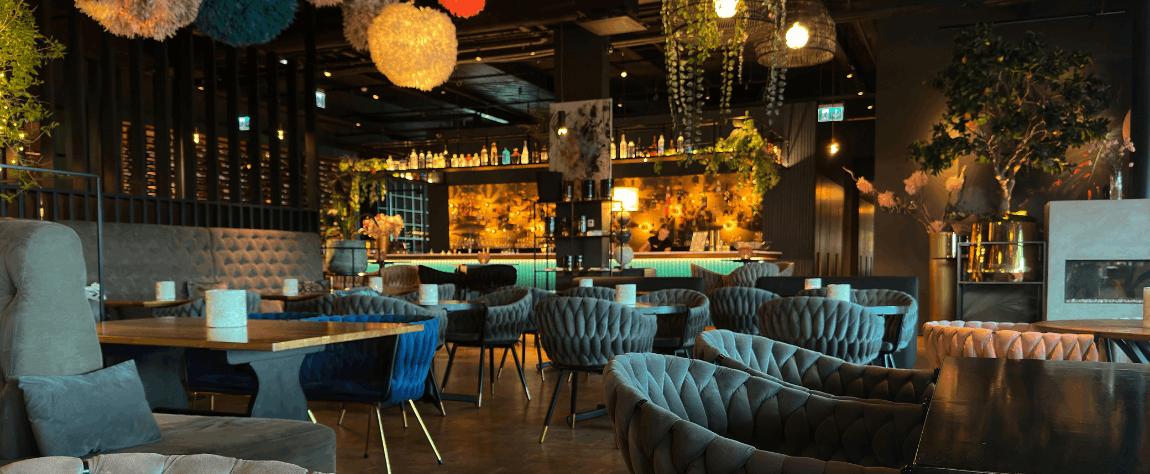
We know Rochester's restaurant scene block by block
Rochester has its own distinct food identity, from the Public Market to the Garbage Plate. Here's what we watch for across its districts.
Public Market / Marketview Heights
A city-run public market with on-site restaurants and vendor stalls, open year-round. Shared-vendor and outdoor market stall exposure is a genuinely different liability structure than a standalone restaurant.
South Wedge
A dense concentration of bars, restaurants, and coffee shops. High density of nightlife venues in a compact corridor raises liquor liability and assault/battery exposure.
East End
Rochester's primary nightlife corridor along East Avenue, near the Eastman School of Music and the Little Theatre. Dense entertainment-district bars mean elevated liquor liability and late-night crowd risk.
High Falls / Brown's Race Historic District
A National Register Historic District of 19th-century brick and stone industrial buildings, now home to breweries and restaurants. Older converted-industrial buildings raise structural, electrical, and renovation-related property risk.
Park Avenue
A walkable dining strip that hosts the annual Park Avenue Summer Art Festival, drawing 350+ vendors along the corridor. Seasonal festival foot traffic creates event-based liability for adjoining restaurants.
Core coverage lines every Rochester restaurant should evaluate
Restaurant insurance in Rochester is a tailored bundle built around New York law, local licensing, and your lease. Here's what actually protects Rochester food service businesses.
General Liability Insurance
Protects against third-party bodily injury and property damage claims. Responds when guests slip, suffer foodborne illness, or get injured during delivery. Most landlords require $1M/$2M before lease signing.
Commercial Property Insurance
Covers your kitchen equipment, refrigeration and HVAC, tenant improvements, inventory, and business personal property against fire, equipment breakdown, and theft.
Business Owner's Policy (BOP)
Bundles general liability, commercial property, and business interruption into one package. Works best for single-unit restaurants with annual revenue under $3 million.
Liquor Liability Insurance
Protects restaurants serving alcohol from dram shop claims. Restaurants with liquor licenses typically must carry liquor liability coverage to maintain their permit.
Workers' Compensation Insurance
Covers medical expenses and lost wages for work-related injuries. Coverage requirements are set at the state level and apply to restaurants with employees.
Business Interruption Insurance
Replaces lost income and covers ongoing expenses when covered events force shutdowns or reduced capacity. Limits should reflect 3 to 6 months of net income plus fixed expenses.
What restaurant insurance typically costs in Rochester
A rough range based on real New York market data. Not a quote, just a starting point before you talk to an agent about your specific Rochester location.
| Coverage Type | Typical Annual Range | Why It Varies in Rochester |
|---|---|---|
| General Liability Insurance | $600–$2,000/yr | Scales with your landlord's required limits, which often run higher in New York City than elsewhere in the state. |
| Commercial Property (older-building rated) | $1,500–$5,500/yr | Elevated for restaurants operating inside High Falls' converted 19th-century industrial buildings, where older electrical and structural systems raise rebuild costs. |
| Liquor Liability Insurance | $1,200–$4,000/yr | New York's dram shop law creates real exposure for over-serving, and single claims can reach six-figure settlements. |
| Workers' Compensation | Payroll-class rated | Mandatory for every New York employer with one or more employees, priced by payroll and job classification rather than location. |
| Small Café, Bundled | $4,000–$7,000/yr | A baseline for a smaller, lower-traffic operation without full alcohol service. |
| Full-Service w/ Alcohol, Bundled | $10,000–$20,000+/yr | Higher end applies to dense nightlife corridors and older buildings with landlord-mandated higher limits. |
Why Monroe County, not the city, licenses your Rochester restaurant
Rochester restaurant coverage has to account for a real county-level licensing structure and, if vending within city limits, an added city permit layer, on top of New York's statewide workers' comp and liquor licensing framework.
Monroe County Department of Public Health licenses every restaurant
The Monroe County Department of Public Health administers food service establishment permitting under New York State Sanitary Code Subparts 14-1, 14-2, 14-4, and 14-5, covering restaurants, mobile vendors, and temporary food vendors.
Vending inside city limits needs an additional city license
If you're vending within the City of Rochester specifically, a solicitor's license from the City Clerk's Licensing Office is an additional requirement on top of your Monroe County health permit, a real, easy-to-miss local layer worth confirming before you open.
How a High Falls historic building affects property coverage
Rochester's most distinctive dining district sits inside genuinely historic industrial buildings, which carries a real property-coverage consideration.
You're opening a restaurant inside a 19th-century converted industrial building in the High Falls / Brown's Race Historic District.
- The exposure: High Falls buildings are part of a National Register Historic District, with genuinely older brick and stone construction, aging electrical systems, and renovation-related code considerations.
- The gap: A standard property policy priced without confirming the building's actual age and construction type may understate real rebuild and fire-suppression-related costs.
- The fix: Property coverage is reviewed against your building's actual historic-district status and construction, with limits set to reflect real rebuild costs.
- The result: Coverage that matches your specific historic building, not a generic Rochester policy.
This is exactly why Rochester-specific coverage matters. A generic New York policy doesn't automatically account for a genuinely historic industrial building's real risk profile.
Frequently asked questions
How much does restaurant insurance cost in Rochester, New York?
A Rochester restaurant typically pays $4,000 to $20,000+ a year: a small cafe or sandwich shop without alcohol runs $4,000-$7,000/yr, a mid-sized fast-casual restaurant $7,000-$12,000/yr, and a full-service restaurant with a bar $10,000-$20,000+/yr, with the higher end applying to dense nightlife areas like the East End. Rochester operators generally pay 25%-40% less than downstate New York City for the same coverage, though New York's state-mandated Disability Benefits Law (DBL) and Paid Family Leave (PFL) payroll coverage applies statewide regardless of location.
Does Monroe County or the City of Rochester license my restaurant?
The Monroe County Department of Public Health licenses and inspects Rochester restaurants. If you're vending specifically within city limits, you may also need a solicitor's license from the City Clerk's Licensing Office.
Does a High Falls restaurant need different property coverage than a newer building?
Yes. High Falls buildings are part of a National Register Historic District with genuinely older brick and stone construction, which is a real factor in property coverage that a generic newer-construction estimate wouldn't reflect.
Do Public Market vendors need different coverage than a standalone restaurant?
Yes. Vendors operating stalls inside the city-run Public Market typically need coverage structured around shared common-area and outdoor market-stall exposure, distinct from a standalone restaurant's premises liability.
How much do multi-location Rochester restaurant groups actually save?
New York restaurant groups with 3+ locations typically save 15% to 25% on total insurance costs by bundling coverage across locations under one coordinated program.
Get Rochester restaurant coverage built around your actual building and concept.
Tell us your concept and your Rochester neighborhood. We'll put together the coverage that actually applies.
Get Your Free Quote →