




Restaurant Insurance in Los Angeles, California
If you're a Los Angeles restaurant owner searching for insurance that actually understands seismic risk, liquor licensing, and this city's tourism-scale foot traffic, whether you're on the Sunset Strip or running a food truck through Venice, Insurance Kitchen builds coverage around that reality. California requires workers' compensation for every employer with even one employee, and most LA landlords require $1 million per occurrence and $2 million aggregate general liability before you sign. We build LA restaurant coverage around your actual building, concept, and neighborhood.
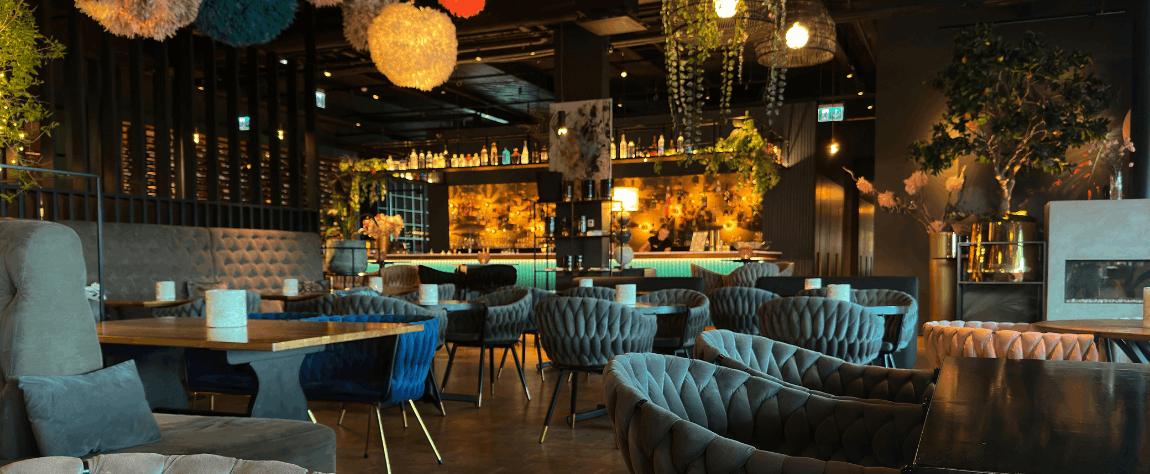
We know Los Angeles's restaurant scene block by block
Los Angeles is home to one of the largest restaurant markets in the country. Here's what we watch for across its districts.
Arts District
Industrial-chic restaurants and craft breweries housed in converted warehouse buildings. Older converted-industrial structures raise property and structural-retrofit exposure, and the dense brewery/bar concentration adds liquor liability.
Koreatown
Dense Korean BBQ and soju-bar culture with high-volume nightlife. Tabletop-grill dining raises fire and burn-liability considerations specific to the cuisine style, on top of standard liquor liability.
Venice / Abbot Kinney
Strong food-truck presence and the recurring Abbot Kinney First Friday food-truck event. Commercial auto and mobile food unit coverage matter more here than standard premises liability.
West Hollywood / Sunset Strip
A legendary 1.6-mile nightlife corridor mixing bars and restaurants with high alcohol volume and late-night crowds. This is the clearest liquor-liability and assault/battery exposure example in LA.
Historic Filipinotown
A dense mix of long-standing, family-owned Filipino, Salvadoran, and Cuban restaurants, often in older tenant-improvement buildings. Standard GL and workers' comp fundamentals matter more here than exotic risk.
Core coverage lines every Los Angeles restaurant should evaluate
Restaurant insurance in Los Angeles is a tailored bundle built around California law, local licensing, and your lease. Here's what actually protects Los Angeles food service businesses.
General Liability Insurance
Protects against third-party bodily injury and property damage claims. Responds when guests slip, suffer foodborne illness, or get injured during delivery. Most landlords require $1M/$2M before lease signing.
Commercial Property Insurance
Covers your kitchen equipment, refrigeration and HVAC, tenant improvements, inventory, and business personal property against fire, equipment breakdown, and theft.
Business Owner's Policy (BOP)
Bundles general liability, commercial property, and business interruption into one package. Works best for single-unit restaurants with annual revenue under $3 million.
Liquor Liability Insurance
Protects restaurants serving alcohol from dram shop claims. Restaurants with liquor licenses typically must carry liquor liability coverage to maintain their permit.
Workers' Compensation Insurance
Covers medical expenses and lost wages for work-related injuries. Coverage requirements are set at the state level and apply to restaurants with employees.
Business Interruption Insurance
Replaces lost income and covers ongoing expenses when covered events force shutdowns or reduced capacity. Limits should reflect 3 to 6 months of net income plus fixed expenses.
What restaurant insurance typically costs in Los Angeles
A rough range based on real California market data. Not a quote, just a starting point before you talk to an agent about your specific Los Angeles location.
| Coverage Type | Typical Annual Range | Why It Varies in Los Angeles |
|---|---|---|
| General Liability Insurance | $700–$2,200/yr | Elevated in nightlife corridors like the Sunset Strip and Koreatown, and for tenants in older Arts District warehouse conversions. |
| Commercial Property (seismic/wildfire-rated) | $2,500–$8,000/yr | California's seismic and wildfire exposure raises property premiums above what a similar building would cost in a lower-risk state. |
| Liquor Liability Insurance | $1,200–$4,000/yr | Scales with alcohol sales volume, and California's capped liquor license market drives up the asset value tied to the permit itself. |
| Workers' Compensation | Payroll-class rated | Mandatory for every California employer with even one employee and strictly enforced, priced by payroll and job classification rather than location. |
| Small Café, Bundled | $4,500–$8,000/yr | A baseline for a smaller, lower-traffic operation without full alcohol service. |
| Full-Service w/ Alcohol, Bundled | $12,000–$25,000+/yr | Higher end applies to dense nightlife corridors and older buildings facing seismic-retrofit exposure. |
Why LA's seismic ordinances and capped liquor licenses change what your policy needs to cover
Los Angeles restaurant coverage has to account for the city's seismic retrofit rules and a genuinely capped alcohol-license market, on top of California's statewide workers' comp and ABC framework.
LA County Public Health licenses every restaurant
Los Angeles County Department of Public Health, Environmental Health Division issues the required Public Health Permit for LA restaurants, separate from your city business license. Long Beach, Pasadena, and Vernon run their own local environmental health departments instead of using LA County's.
Alcohol licensing is a two-step, capped process
LA restaurants need both a Conditional Use Permit from local planning and a Type 41 or Type 47 license from California ABC, obtained separately from the state. California's liquor license pool is capped, so many operators buy an existing license rather than getting a new one, which affects both cost and liquor liability valuation.
How a seismic-retrofit building affects coverage near the Arts District
Older converted-warehouse spaces are common in LA's most food-forward neighborhoods, and they carry a real property-coverage consideration most new operators don't expect.
You're leasing a converted warehouse space in the Arts District, and the building falls under LA's mandatory seismic retrofit ordinance for older structures.
- The requirement: LA City Ordinance 183893 mandates retrofit of pre-1978 wood-frame soft-story buildings, with separate mandatory programs for unreinforced masonry and non-ductile concrete buildings.
- The gap: A standard property policy written without confirming the building's retrofit status may not reflect real earthquake and structural risk, or your responsibility as a tenant if retrofit work is still pending.
- The fix: Property coverage is reviewed against the building's actual retrofit status and construction type, with limits set to reflect real rebuild costs in a seismic zone.
- The result: Coverage that matches your actual building, not a generic California policy that assumes new construction.
This is exactly why Los Angeles-specific coverage matters. A generic California policy doesn't automatically account for a specific building's seismic retrofit status.
Frequently asked questions
How much does restaurant insurance cost in Los Angeles, California?
A small LA cafe or diner typically pays $3,600 to $14,400 a year, a standard full-service restaurant $14,400 to $30,000, and a high-alcohol-volume venue can exceed $48,000. Workers' compensation alone runs $2.65-$4.00 per $100 of payroll and is mandatory from an owner's very first employee under California law. One often-missed line item: Employment Practices Liability (EPLI), $40-$120/month, which protects against the wage-and-hour and wrongful-termination claims California's strict labor code makes more common here than almost anywhere else in the country.
Does LA County or the city license my restaurant?
Los Angeles County Department of Public Health, Environmental Health Division licenses most LA restaurants. Long Beach, Pasadena, and Vernon are exceptions, each running their own local environmental health department instead.
Why is a liquor license so expensive in Los Angeles?
California's liquor license pool is capped by county, so many LA operators buy an existing Type 47 license on the secondary market rather than obtaining a new one from the state, which drives up both acquisition cost and the value tied to the permit itself.
Does a converted warehouse restaurant in the Arts District need different property coverage?
Yes. Older converted-industrial buildings may fall under LA's seismic retrofit ordinances, and property coverage should reflect the building's actual construction type and retrofit status rather than a generic estimate.
Do food trucks in Venice need different coverage than a sit-down LA restaurant?
Yes. Food trucks need commercial auto insurance plus mobile food unit coverage for onboard equipment, while a fixed location needs premises-based property and liability coverage instead.
What makes Historic Filipinotown different from other LA neighborhoods for insurance purposes?
Historic Filipinotown is home to the highest concentration of Filipino restaurants in Los Angeles, alongside long-standing Salvadoran, Cuban, and Chinese operators, many family-run in older tenant-improvement buildings. Standard general liability and workers' comp fundamentals matter more here than the high-value liquor programs seen in districts like Buckhead.
Get Los Angeles restaurant coverage built around your actual building and concept.
Tell us your concept and your LA neighborhood. We'll put together the coverage that actually applies.
Get Your Free Quote →